


Why Do Marine Deck Equipment Often Deteriorate During Operation?
Marine deck equipment deterioration is a common issue during vessel operations due to continuous exposure to seawater, weather conditions, operational loads and frequent use, join SmartSea to explore the causes of premature equipment damage, effective ways to minimise deterioration in this article.
1. Common Causes of Marine Deck Equipment Deterioration
During vessel operations, deck equipment works in harsher conditions than many systems located inside the vessel, as a result, its condition and service life are affected by a combination of environmental exposure, operating frequency and actual maintenance practices.
1.1 Frequent Exposure to Seawater and Salt Spray
Seawater and salt spray are among the most common causes of corrosion affecting metal components on deck, particularly in areas where water tends to accumulate or protective coatings are scratched or peeled, over time corrosion can reduce material strength and affect equipment performance.
1.2 Operation Under Harsh Weather Conditions
Deck equipment is directly exposed to sunlight, rain, wind, temperature fluctuations and the marine environment for extended periods, these conditions can accelerate the deterioration of materials, protective coatings, seals and mechanical components if proper inspection, cleaning and maintenance are not carried out.
1.3 High Operating Loads and Frequent Use
Equipment used for anchoring, mooring, lifting and cargo handling often operates under significant tension, heavy loads and repetitive movements, these conditions generate friction, vibration and wear on components such as brakes, gears, shafts, bearings and drive mechanisms.
1.4 Improper or Insufficient Maintenance
Ignoring abnormal signs, delaying the replacement of worn components or failing to conduct periodic inspections can allow minor defects to develop into major problems, this can also increase repair costs and downtime when equipment can no longer meet operational requirements.
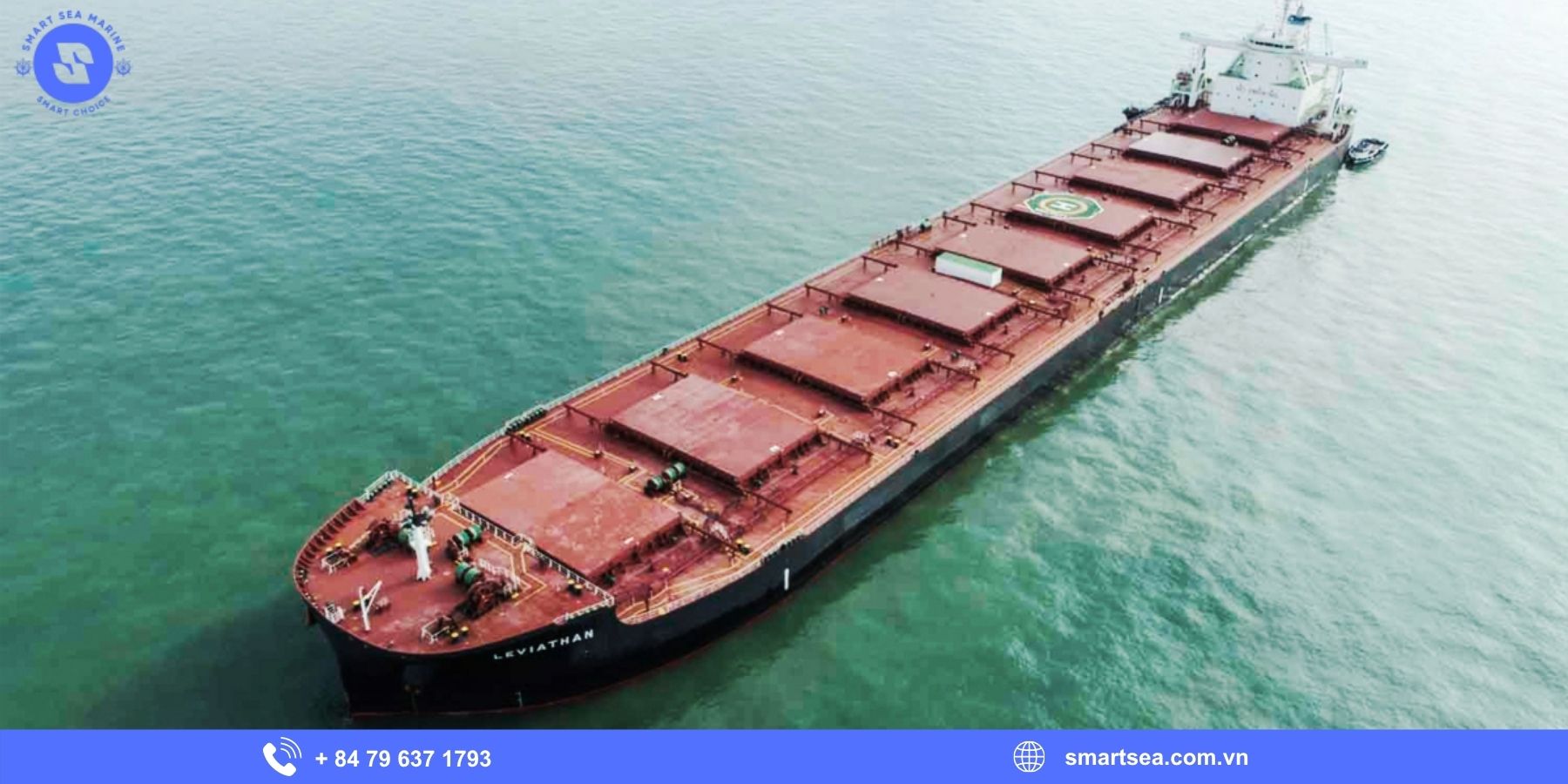
2. Which Marine Deck Equipment Components Are Most Prone to Deterioration?
Not all equipment deteriorates in the same way, as each system has different operating characteristics and load requirements, identifying components that are more susceptible to damage helps crew members and vessel management teams take a more proactive approach to inspection and maintenance.
2.1 Anchoring Equipment and Anchor Windlasses
Anchor windlasses, anchor chains and related components are subjected to heavy loads during anchor deployment, retrieval and holding operations, consequently they may experience wear, corrosion, mechanism jamming or reduced power transmission performance if operated frequently without proper inspection and maintenance.
2.2 Mooring Equipment and Mooring Winches
Mooring equipment is subjected to tension and friction when a vessel berths, departs from port or maintains its position, over time, ropes, drums, brakes, motors and transmission components may experience wear, particularly when frequently operated under heavy loads.
2.3 Hydraulic Systems and Associated Piping
Hydraulic pipes, valves, pumps, cylinders and connections may develop leaks, pressure losses or unstable operation due to wear, ageing and environmental exposure, these problems can directly affect equipment operating speed and control performance.
2.4 Metal Components and Exposed Structures
Bolts, joints, brackets, railings, equipment foundations and other exposed metal components are susceptible to rust and corrosion when continuously exposed to salt spray and seawater without proper cleaning and protection, this is particularly concerning in areas that are difficult to access or inspect.
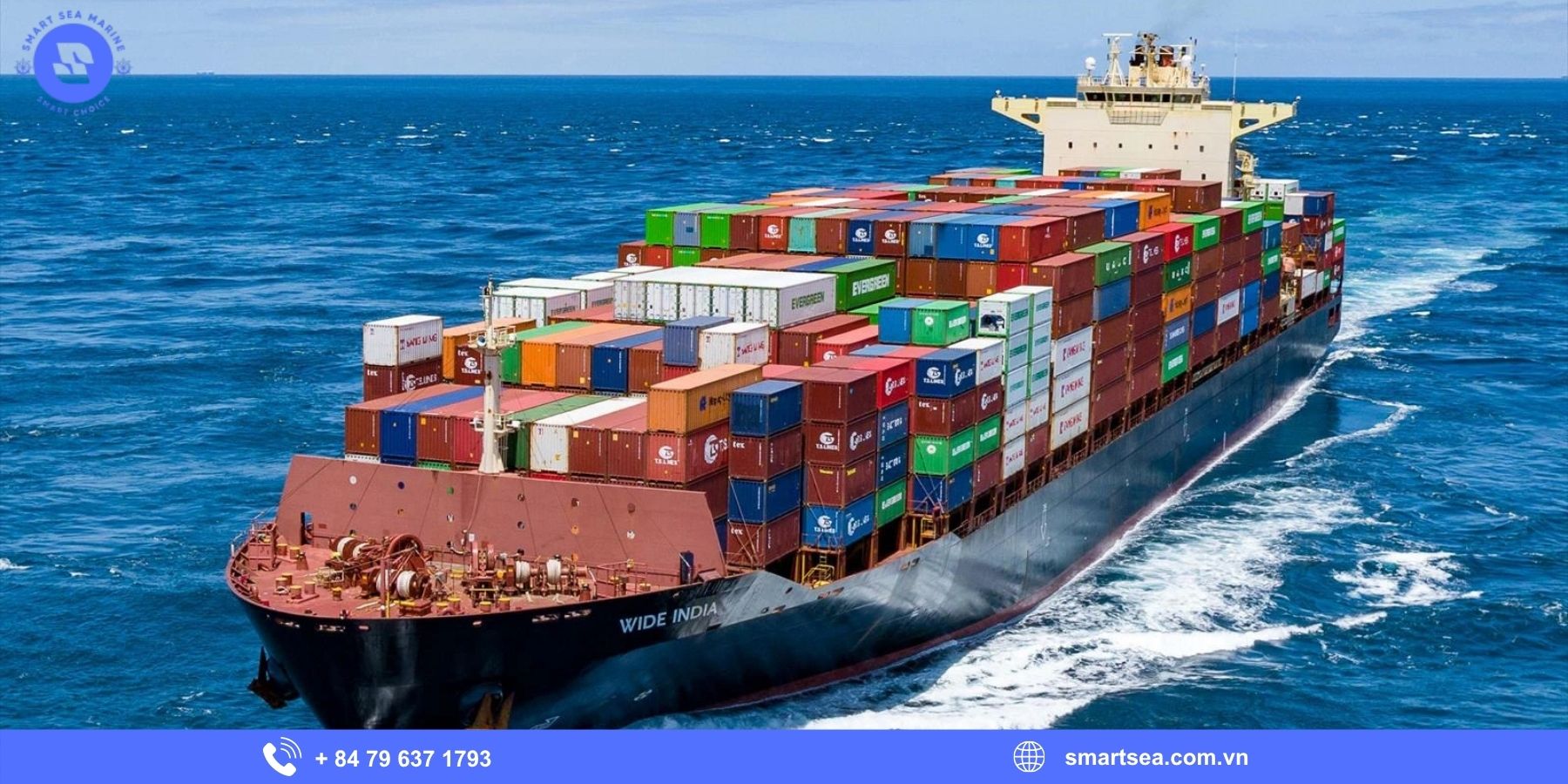
3. Signs That Marine Deck Equipment Requires Inspection
Early detection of abnormal conditions gives shipowners more time to assess the underlying causes and plan corrective actions before serious equipment failures occur, this is preferable to carrying out repairs only after operational performance has been significantly affected.
-
Unusual noise or vibration: Abnormal sounds, excessive vibration or unstable movement may indicate mechanical wear, misalignment, bearing problems or defects in drive components.
-
Slow or irregular equipment operation: Unexpected changes in lifting, lowering, pulling or rotation speeds may indicate problems with the drive system, hydraulic system or power supply.
-
Signs of oil or fluid leakage: Oil or fluid around pipes, valves, pumps or cylinders should be inspected to identify the leakage location and underlying cause.
-
Rust, peeling paint or corrosion: These signs indicate deterioration of the protective coating and should be addressed before corrosion progresses further into the underlying material.
-
Unstable brake or control system performance: Brakes that fail to hold securely, respond slowly or become difficult to control should be assessed promptly, as these conditions may affect operational safety.
When defects exceed the scope of routine maintenance, shipowners should arrange timely ship equipment repair to restore operational capability, minimise the risk of further failures and avoid higher repair costs.
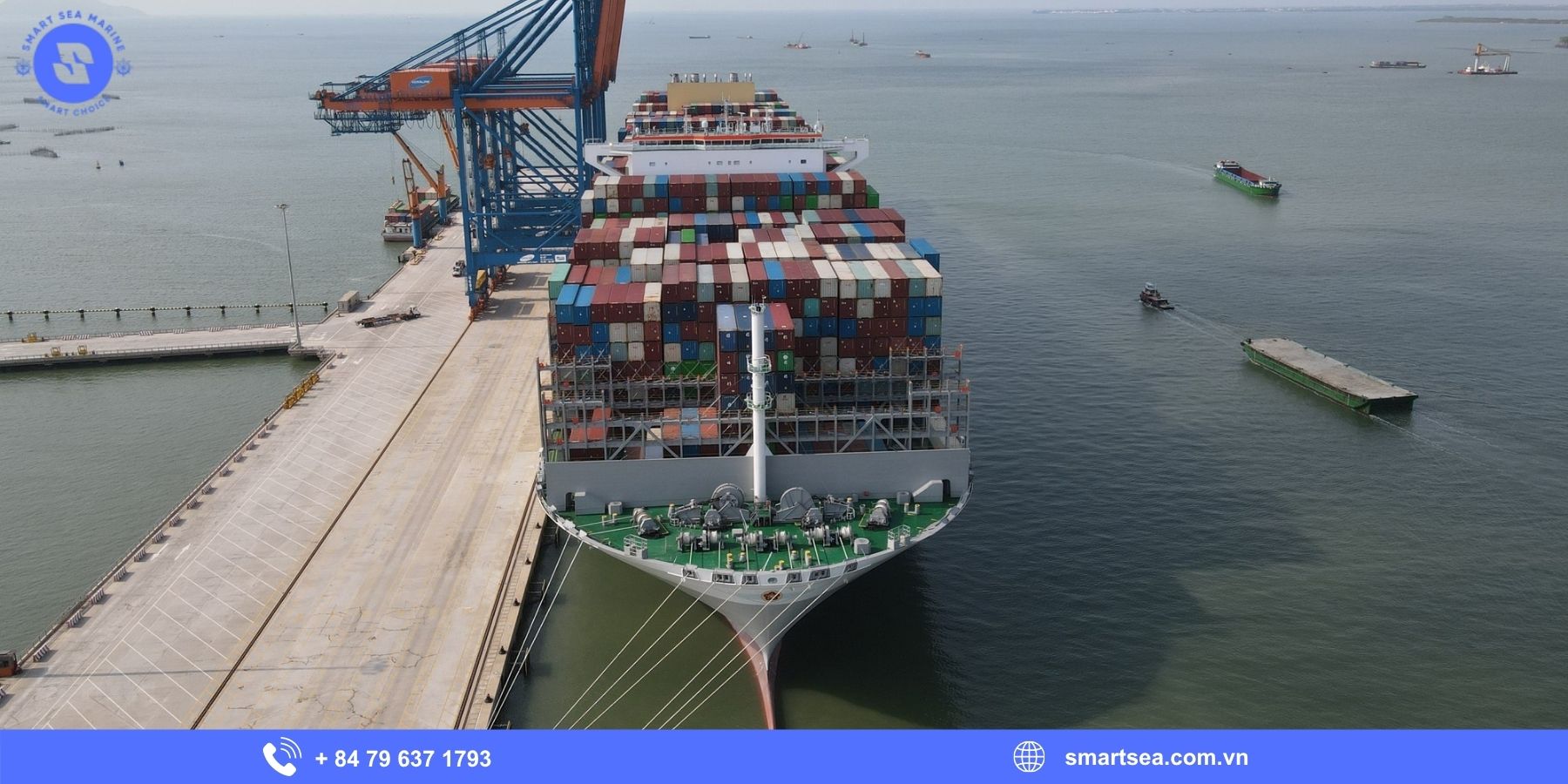
4. How to Minimise Marine Deck Equipment Deterioration
Although wear and tear cannot be completely eliminated during vessel operations, shipowners and operators can control the rate of deterioration through a combination of periodic inspections, proper maintenance procedures and early corrective action when abnormal equipment conditions arise.
4.1 Conduct Regular Equipment Inspections
Inspections should focus on components subjected to heavy loads, mechanical movement or frequent seawater exposure, particular attention should be paid to signs of rust, cracks, deformation, leakage, unusual noise and vibration to identify potential problems in a timely manner.
4.2 Clean Equipment and Control Corrosion
Equipment surfaces should be cleaned appropriately to prevent salt deposits and contaminants from accumulating over time, areas with peeling paint, scratches or early signs of rust should be treated promptly, and protective coatings should be restored to prevent further corrosion.
4.3 Maintain Mechanical and Hydraulic Components
Moving parts, drive mechanisms, brakes, bearings, pipelines and hydraulic systems should be inspected, lubricated, adjusted or replaced when necessary, based on their actual condition and the technical requirements of each equipment system.
4.4 Record and Monitor Repair History
Keeping records of inspection dates, equipment conditions, replaced components and previously reported defects helps vessel management teams identify recurring problems, this information also supports the development of maintenance plans that are better aligned with the vessel's operating schedule.
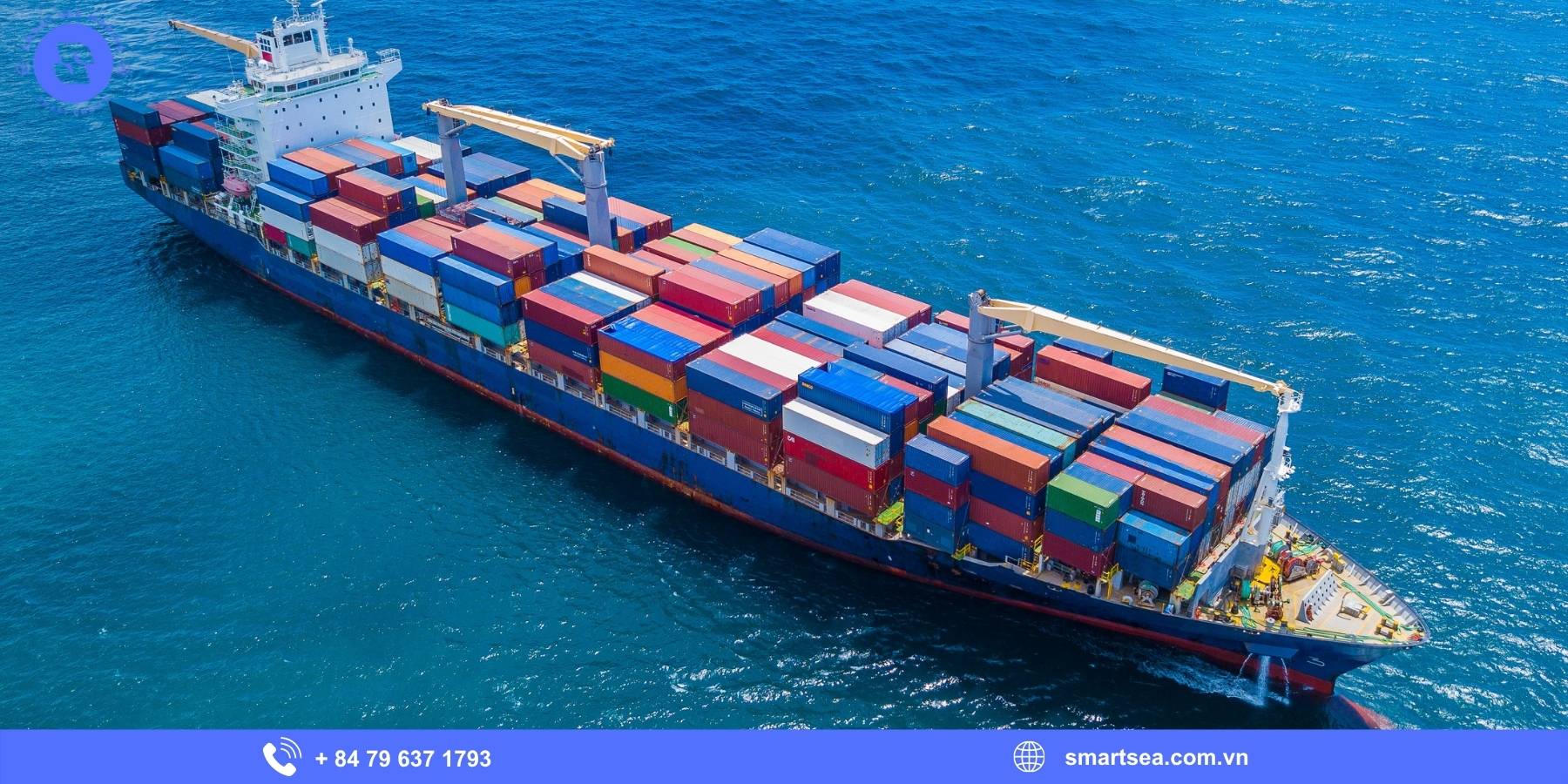
5. When Should Marine Deck Equipment Be Repaired?
Repairs should be considered when equipment shows signs of impaired performance, structural damage or an inability to meet operational requirements, taking corrective action at the right time helps minimise equipment failure risks and prevents damage from spreading to associated components.
5.1 When Equipment No Longer Operates Reliably
If equipment frequently jerks, operates slowly, produces unusual noises, loses lifting or pulling capacity, or performs inconsistently, it should be inspected to identify the underlying cause rather than continuing operation until a complete failure occurs.
5.2 When Damage Affects Load-Bearing Capacity
Signs such as cracks, deformation, severe corrosion or damage to load-bearing components require a thorough technical assessment before the equipment is used again, the actual extent of damage cannot always be determined through visual inspection alone.
5.3 When the Vessel Is Scheduled for Repair or Maintenance
If a vessel has a scheduled repair or maintenance period or is expected to remain alongside at port, this is an appropriate opportunity to review equipment showing signs of deterioration and proactively address necessary repair items. This helps reduce the risk of unexpected failures during the next voyage.
6. SmartSea - Marine Deck Equipment Repair Support
SmartSea provides marine deck equipment repair services, supporting shipowners with equipment inspections, condition assessments and the rectification of problems arising during vessel operations, for each specific case, our technical team can recommend suitable solutions to restore equipment performance, minimise the spread of damage and maintain stable operation.
Our commitments include:
-
Thoroughly inspecting equipment conditions and identifying the causes and extent of damage before recommending corrective solutions.
-
Providing suitable technical recommendations, prioritising effective repair options that meet technical requirements and actual operating conditions.
-
Maintaining repair schedules and coordinating closely with relevant parties to minimise equipment downtime and vessel operational disruptions.
-
Ensuring transparency throughout the repair process by clearly communicating the work scope, proposed solutions and associated costs.
-
Providing dedicated post-repair support and remaining available to coordinate further inspections or address any issues that may arise.
If you require marine equipment repair services or need assistance with inspecting and rectifying equipment defects, contact SmartSea today using the contact details below for advice on suitable solutions based on your vessel's actual condition.
CONTACT INFORMATION
SMART SEA MARINE COMPANY LIMITED
Address: 4th Floor, Q7 Boulevard Building, 600 Nguyen Luong Bang Street, Tan My Ward, Ho Chi Minh City, Vietnam
Email: ops@smartsea.com.vn
Hotline: +84 79 637 1793


