


What Risks Can Unstable Marine Equipment Operation Cause?
Unstable marine equipment operation can disrupt navigation, communication and vessel condition monitoring; in this article, SmartSea analyzes common risks and ways to manage equipment failures to minimize their impact on vessel operations.
1. Risks of Unstable Marine Equipment Operation
An equipment malfunction does not necessarily cause an entire vessel to stop operating immediately, but if the failure affects interconnected systems or is not addressed promptly, the level of risk may increase during vessel operations.
1.1 Impact on Vessel Positioning and Navigation
When radar, GPS, echo sounders or other navigational aids operate intermittently, data on vessel position, obstacles and surrounding conditions may be interrupted or inaccurate, making it difficult for the captain to make accurate navigation decisions, particularly in restricted visibility or congested waterways.
1.2 Disruption to Maritime Communication and Coordination
Malfunctions in VHF equipment, internal communication systems or data transmission devices may prevent information from being communicated promptly between vessels and ports, between vessels, or among departments on board, increasing the risk of misunderstood instructions or delayed coordination when situations requiring action arise.
1.3 Reduced Vessel Control and Operational Capabilities
When sensors, control equipment or monitoring systems transmit inaccurate signals, operators may fail to correctly identify the condition of machinery and related components, thereby affecting their ability to adjust operating parameters, control operations and detect abnormalities before a failure becomes serious.
1.4 Increased Safety Risks for Crew and Vessels
Unstable operation of alarm systems, fire detection equipment, emergency communication devices or safety support systems may delay incident detection and response, particularly in situations requiring immediate action, such as fire, flooding, power failure or accidents at sea.
1.5 Schedule Disruptions and Increased Operating Costs
Equipment failures during a voyage may force a vessel to adjust its schedule, reduce speed, change course or temporarily suspend operations for inspection and repairs, resulting in additional labor and spare parts costs, waiting time and potential disruptions to cargo delivery schedules.
2. Marine Systems Requiring Special Attention When Abnormalities Occur
The impact of an incident depends on the equipment's function and its connection with other onboard systems, so shipowners and technical departments should prioritize monitoring equipment groups directly involved in navigation, communication, control and safety.
2.1 Navigation and Positioning Equipment
Radar, GPS, AIS and echo sounders help crew members determine vessel position, monitor surrounding traffic and assess voyage conditions, so signal loss, inconsistent displayed data or unexpected equipment restarts should be inspected rather than continuing to rely on unverified information.
2.2 Marine Communication Systems
VHF, MF/HF equipment and other radio communication devices need to maintain information transmission and reception capabilities according to operational requirements, as interference, unclear audio, connection loss or failure to receive signals may affect the exchange of instructions and coordination during emergency situations.
2.3 Electrical Systems and Control Equipment
Power supplies, electrical panels, controllers and signal circuits are connected to many onboard devices, so unstable voltage, loose contacts, overheating or intermittent control signals may cause multiple components to operate incorrectly or stop functioning unexpectedly.
2.4 Monitoring and Safety Alarm Equipment
Fire detection systems, alarms, sensors and emergency response equipment need to be maintained in a ready-to-operate condition, as sensor failures, false alarms or signal loss may cause crew members to misjudge actual conditions and fail to implement appropriate response measures in time.
3. Signs That Marine Equipment Is Operating Unstably
Before serious damage occurs, equipment often exhibits abnormal behavior during startup, operation or data transmission, so observing and recording the following signs will help technical personnel identify problems earlier:
-
Signal loss or intermittent connections: Equipment frequently loses data, fails to receive signals from sensors or experiences communication interruptions despite no significant changes in operating conditions.
-
Abnormal displayed data: Parameters change suddenly, show inconsistencies between devices or differ significantly from actual operating conditions.
-
Unexpected equipment restarts or unresponsiveness: Screens freeze, systems switch off and restart automatically or fail to execute control commands correctly.
-
Repeated warning notifications: Indicator lights, audible alarms or error messages appear repeatedly, even after the equipment has been restarted.
-
Unusual noise, vibration or temperature: Motors, pumps, actuators or equipment assemblies produce abnormal sounds, excessive vibration or increased temperatures during operation.
-
Declining operating performance: Equipment responds slowly, fails to operate according to its normal cycle or no longer meets previous operating requirements.
These symptoms do not always identify the exact cause of a malfunction, as an abnormal condition may originate from the power supply, wiring, sensors, components or connection failures between systems, so an actual inspection is necessary before reaching a technical conclusion.
4. Causes of Unstable Marine Equipment Operation
Intermittent equipment operation can result from various factors, including marine environmental conditions, power supply quality, component wear or connection failures, so identifying the correct cause is necessary to avoid incomplete repairs and recurring malfunctions.
4.1 Effects of the Marine Operating Environment
Marine equipment typically operates in environments with high humidity, salt spray, vibration and temperature fluctuations, which can accelerate connector corrosion, degrade insulation or affect the durability of electronic components after prolonged use.
4.2 Unstable Power Supply
Voltage fluctuations, interrupted power supply, poor electrical contacts or faults in the power distribution system may cause equipment to start incompletely, shut down unexpectedly or operate with incorrect parameters, particularly electronic systems that require a power supply meeting the manufacturer's specifications.
4.3 Component Deterioration and Wear Over Time
After prolonged operation, components such as sensors, circuit boards, connectors, bearings and mechanical parts may deteriorate or lose functionality, causing equipment to respond slowly, generate abnormal signals or fail to meet its original operating requirements.
4.4 Improper Installation and Technical Connections
Incorrect wiring, loose cable connections, oxidized contacts or incompatible connection configurations may interrupt signal transmission between devices, particularly in integrated systems involving multiple components for monitoring and control.
4.5 Inadequate Maintenance or Incomplete Troubleshooting
Ignoring warning signs, failing to conduct periodic inspections or addressing only visible symptoms without identifying the root cause may allow faults to recur, increasing the risk of damage spreading to related components and generating unplanned repair costs.
5. How to Manage Risks When Marine Equipment Operates Abnormally
To minimize incidents affecting safety and operational schedules, shipowners need to establish procedures for equipment monitoring, abnormality recording and coordinated troubleshooting based on the level of impact, while avoiding continued use of critical systems when their safety condition has not been established.
5.1 Monitor and Record Abnormal Operating Conditions
Crew members and technical departments need to record when faults occur, warning notifications, operating parameters and the conditions under which incidents develop, as these details provide a more reliable basis for diagnosis and help technicians identify potential causes rather than conducting unfocused inspections.
5.2 Cross-Check Data Against Backup Equipment and Alternative Methods
When navigation or monitoring equipment displays abnormal information, crew members need to compare it with independent data sources and appropriate backup equipment in accordance with onboard procedures, rather than using an unverified signal as the sole basis for vessel maneuvering decisions.
5.3 Inspect the Power Supply, Connections and Equipment Condition
Technical personnel need to inspect power supplies, fuses, connectors, cables, corrosion conditions and related components according to technical instructions, while ensuring that inspection procedures remain within their professional competence and permitted safety conditions.
5.4 Stop or Restrict Equipment Use When Safety Risks Are Identified
If equipment shows signs of overheating, burning odors, electrical short circuits, loss of critical functions or inaccurate data transmission, the issue needs to be reported to the captain and chief engineer for assessment, with the equipment isolated where appropriate and backup measures implemented, rather than continuing operation without establishing its safety condition.
5.5 Establish Periodic Maintenance and Inspection Plans
Shipowners should develop inspection schedules based on manufacturer recommendations, operating conditions and applicable technical requirements for each piece of equipment, with particular attention to electrical connections, cleaning, corrosion protection, calibration and functional testing to detect early signs of deterioration.
5.6 Engage Technical Specialists for Inspection and Repairs When Necessary
For faults involving circuit boards, control systems, positioning equipment or complex machinery assemblies, using specialized technical services helps determine the extent of damage, assess restoration possibilities and select appropriate repair or replacement solutions based on actual equipment conditions.
When requesting technical assistance, shipowners should prepare some basic information:
-
Equipment name, brand and model, if available.
-
Description of abnormal symptoms and when they first appeared.
-
Error codes or photographs of on-screen notifications.
-
Operating conditions of related systems.
-
The vessel's current location and expected work completion time.
If an incident affects multiple systems or related structures, shipowners may consider implementing ship repair services to address interconnected damage, restore operating conditions and minimize further incidents during vessel operations.
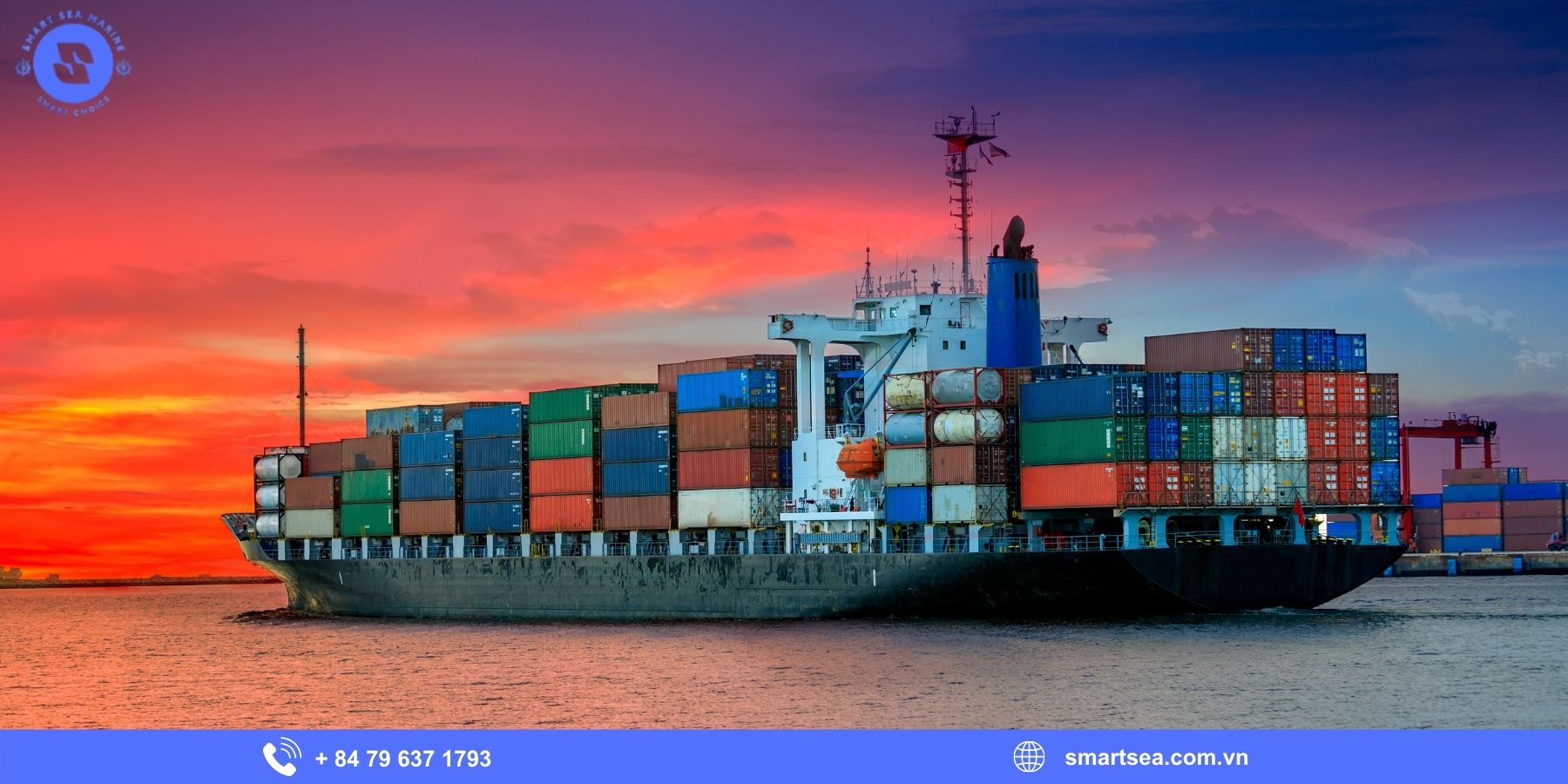
6. SmartSea - Marine Equipment Repair and Vessel Troubleshooting Support
Unstable marine equipment operation not only affects individual equipment functions but may also impact multiple interconnected systems, so shipowners need to proactively inspect equipment, assess the extent of damage and select appropriate corrective measures to maintain safety and minimize operational disruptions.
SmartSea supports customers with inspection, troubleshooting and operational restoration through marine equipment repair services, with solutions discussed according to equipment conditions, work scope and the vessel's actual operating conditions, so if you are experiencing technical problems or need advice on suitable repair options, contact us today using the information below for dedicated assistance.
CONTACT INFORMATION
SMART SEA MARINE COMPANY LIMITED
Address: 4th Floor, Q7 Boulevard Building, 600 Nguyen Luong Bang Street, Tan My Ward, Ho Chi Minh City, Vietnam
Email: ops@smartsea.com.vn
Hotline: +84 79 637 1793


