


Technical Items to Inspect Before a Ship Departs Port
Ship repair services and pre-departure technical inspections are essential to ensure that machinery, navigation equipment and safety systems operate reliably before a voyage; in this article, SmartSea highlights the key inspection items that should be prioritized to identify potential faults early.
1. Why Are Pre-Departure Technical Inspections Important?
Ships operate under the influence of weather, waves and saltwater environments, which can cause machinery, equipment and technical systems to deteriorate or develop faults over time, therefore pre-departure inspections are essential for assessing the vessel's actual operating condition before a voyage.
1.1 Early Detection of Problems Affecting Vessel Operations
Issues such as difficulty starting the engine, abnormal oil pressure, fuel leaks, unstable cooling system performance or generator malfunctions can directly affect vessel operations, these problems should be inspected and their causes identified before departure.
1.2 Minimizing Safety Risks During Voyages
Faults in steering systems, power supplies, navigation equipment or fire protection systems can compromise vessel control and emergency response capabilities, particularly when ships are operating far from shore or encountering adverse weather conditions.
1.3 Proactive Repair and Operational Planning
Pre-departure technical inspections help vessel operators identify components requiring maintenance, replacement or repair, this allows them to arrange personnel, spare parts and repair schedules in advance rather than dealing with unplanned vessel downtime.
2. Technical Items to Inspect Before a Ship Departs Port
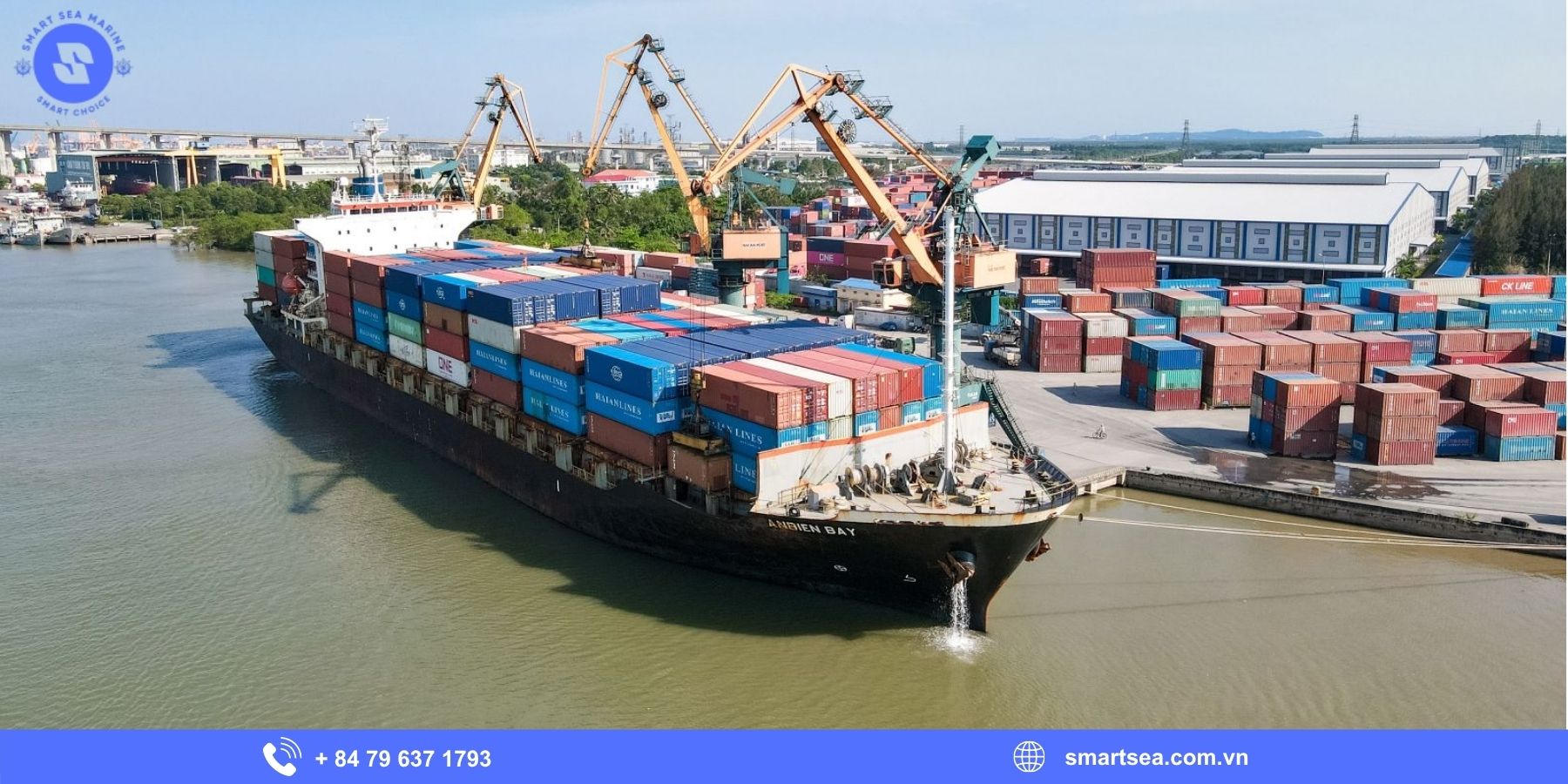
The main technical items to inspect before departure include the engine system, generators, navigation equipment and onboard safety systems, checking each component helps identify early signs of damage, assess operating conditions and determine which issues need to be resolved before the vessel sets sail.
2.1 Main Engine and Propulsion System Inspection
The main engine and propulsion system determine a vessel's ability to generate thrust, maintain speed and maneuver throughout a voyage, therefore their operating conditions, abnormal signs and ability to meet operational requirements should be checked in accordance with the manufacturer's instructions.
Key inspection points include:
-
Starting Performance: Check the starting process, the engine's ability to maintain operation and its response when operating modes change.
-
Lubrication System: Check oil levels, signs of leakage and pressure and temperature indicators against the equipment's operating limits.
-
Cooling System: Inspect pumps, pipelines, valves and any abnormal signs related to engine temperature.
-
Fuel System: Check fuel pipelines, filters, connections and any signs of fuel leakage.
-
Propulsion System: Inspect the propeller shaft, couplings, gearbox and related components for unusual vibration or noise.
2.2 Auxiliary Engines and Generator Inspection
Auxiliary engines and generators supply power to electrical equipment, lighting systems and many essential onboard operations, their operating condition, power supply performance and electrical stability should therefore be verified before departure.
The inspection should cover:
-
Starting capability and continuous operation of generator sets.
-
Voltage, frequency and other operating parameters in accordance with system requirements.
-
Operation of the main switchboard, switching devices and power distribution system.
-
Condition of batteries, chargers and standby power supplies.
-
Operational readiness of the emergency generator and emergency power supply system, according to the vessel's configuration.
2.3 Steering Gear and Directional Control System Inspection
The steering system enables a vessel to maintain its course and perform maneuvering operations when entering or leaving port and during sea voyages, therefore the steering gear, bridge remote controls and supporting navigation equipment should be checked to ensure they respond correctly.
In particular, under SOLAS Chapter V, Regulation 26, the steering gear must be checked and tested by the ship's crew within 12 hours before departure, applicable checks include testing the main steering gear, auxiliary steering gear, remote steering controls, emergency power supply, rudder angle indicators, alarms and communication between the bridge and steering gear compartment.
2.4 Pumps, Valves and Piping System Inspection
Pumps, valves and piping systems perform essential functions, including transferring fuel, lubricating oil and cooling water, as well as draining water from vessel compartments, their operating performance and pipeline integrity should be checked to identify potential leaks or blockages.
Key areas to inspect include:
-
Cooling water pumps and circulation pipelines.
-
Fuel pumps, oil pumps and associated control valves.
-
Bilge pumps and bilge drainage pipelines.
-
Connections, flanges and valves showing signs of leakage.
-
Corrosion, deformation or damage to pipeline sections exposed to potential external impacts.
2.5 Navigation Equipment and Communication System Inspection
Navigation equipment helps crew members determine vessel position, monitor potential obstacles and maintain communication during voyages, therefore navigation, identification and communication equipment should be checked according to the vessel's installed equipment and operational requirements.
The inspection should cover:
-
Radar and ARPA: Used for target tracking and monitoring surrounding maritime traffic.
-
GPS and ECDIS or Appropriate Nautical Charts: Used for position fixing and voyage planning, depending on the vessel's equipment configuration.
-
AIS: Used for vessel identification and the exchange of vessel information.
-
Magnetic and Gyro Compasses: Along with other heading indicators.
-
VHF, GMDSS and Other Communication Equipment: As required for the vessel's operations.
2.6 Deck Equipment and Mooring System Inspection
Deck equipment is directly involved in anchoring, mooring, lifting and cargo handling operations, therefore its mechanical condition, control functions and overall safety should be inspected before the vessel begins its voyage.
Key items include:
-
Anchor windlasses, anchor winches and their associated control systems.
-
Anchor chains, shackles, mooring ropes and other mooring equipment.
-
Cranes, cargo winches and lifting equipment, where fitted.
-
Hatch covers, watertight doors and other opening and closing arrangements on deck.
-
Securing arrangements for cargo, materials and equipment that could shift while the vessel is underway.
2.7 Safety and Emergency Response System Inspection
Safety systems must be inspected to ensure that life-saving appliances, firefighting equipment and emergency response systems remain ready for use in accordance with applicable requirements, this is particularly important because incidents at sea may require crew members to respond immediately, even when external assistance is unavailable.
Key inspection items include:
-
Life-Saving Appliances: Lifeboats, lifebuoys, life jackets and liferafts.
-
Firefighting Equipment: Fire extinguishers, fixed firefighting systems and firefighting equipment in designated areas.
-
Fire Detection and Alarm Systems: Along with other emergency warning devices.
-
Fire Pumps and Fire Main Systems: Including associated firefighting equipment.
-
Emergency Power Supply: Emergency lighting and emergency communication equipment.
Thorough inspections of safety equipment help crew members respond proactively to potential fires, accidents and other emergencies during a voyage, it is also essential to confirm that life-saving and firefighting appliances can be deployed immediately when needed.
3. Signs That a Ship Needs Repairs Before Departure
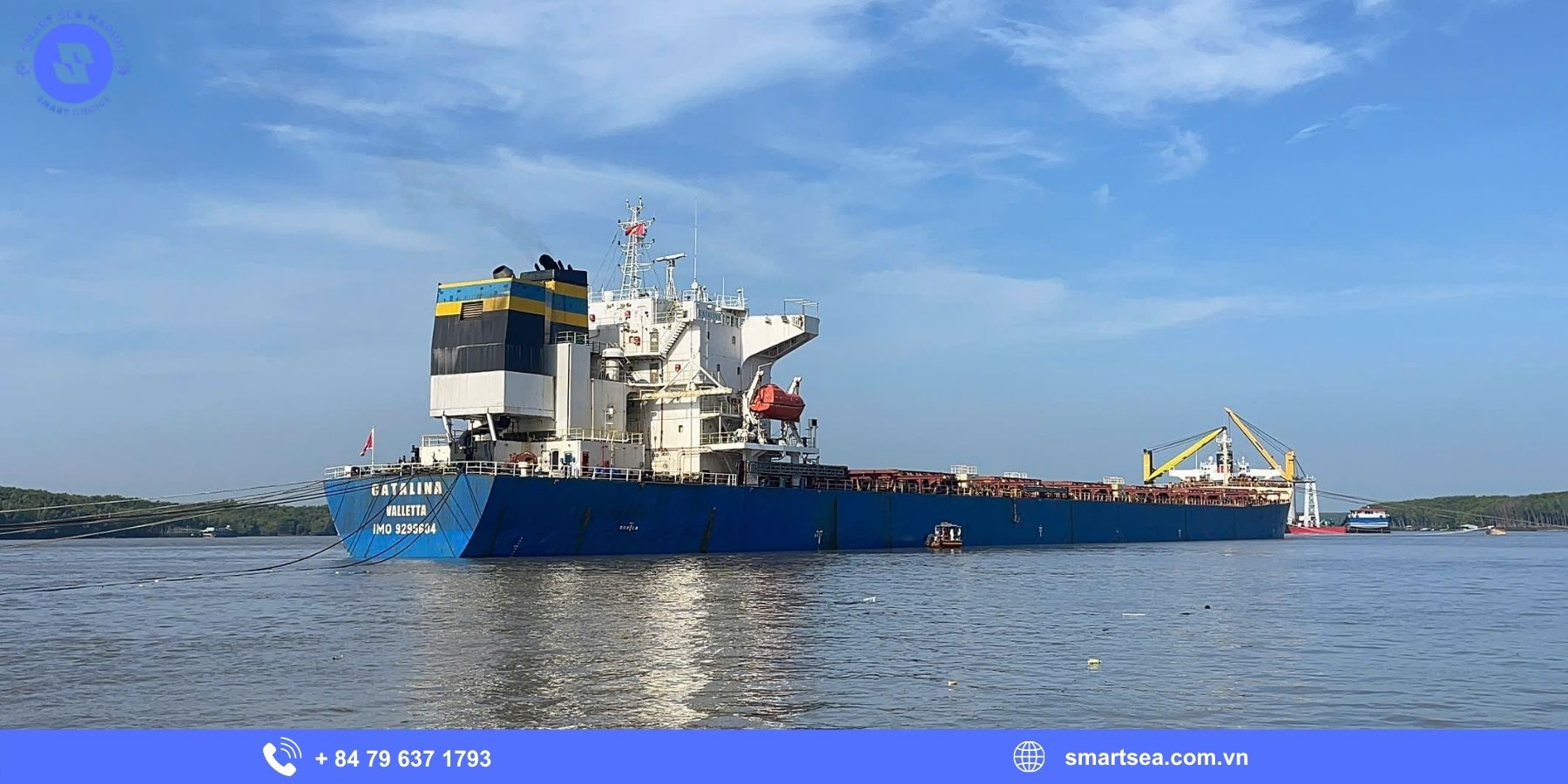
Not all technical abnormalities have the same level of impact. However, certain signs involving engines, electrical systems, navigation equipment and vessel structures require careful assessment to determine whether the ship can continue operating or needs repairs before departure.
3.1 Unusual Engine Noise or Vibration
Knocking sounds, excessive vibration or changes in engine noise during operation may indicate imbalance, mechanical component wear or problems with the propulsion system, the underlying cause should be inspected and identified rather than allowing the engine to continue operating without assessing the potential impact.
3.2 Unstable Electrical Equipment and Generator Operation
Fluctuating voltage, frequent generator alarms or abnormal operation of switching devices can affect the power supply to essential onboard systems, therefore generator sets, switchboards and related electrical circuits should be inspected before deciding on the appropriate corrective action.
3.3 Leaks in Pumps and Piping Systems
Oil, fuel or coolant leaking from connections, valves and pipelines can cause fluid loss, affect nearby equipment and reduce operating efficiency, the damaged areas should be identified and repaired in accordance with applicable technical requirements.
3.4 Steering and Navigation Equipment Not Meeting Requirements
Slow steering gear response, inaccurate rudder angle indications or loss of navigation signals can affect the vessel's ability to maintain control during a voyage, the relevant systems must be inspected, and departure should proceed only when applicable safety requirements have been met.
4. When Should You Hire a Professional Ship Repair Service Provider?
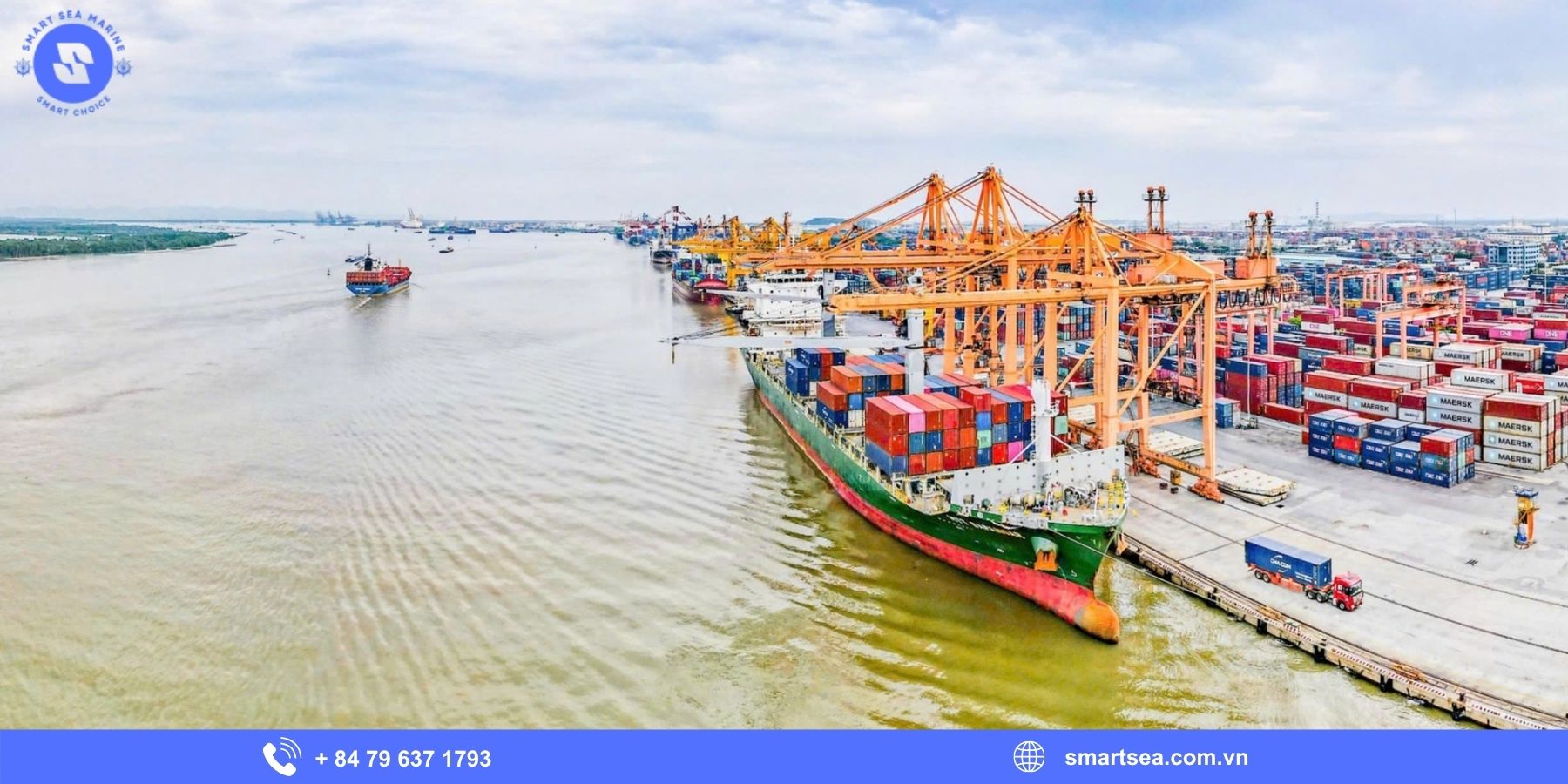
During pre-departure inspections, technical issues beyond the ship's crew's normal troubleshooting capabilities should be assessed by qualified technicians, this is particularly important when faults involve the main engine, electrical systems, navigation equipment or components that directly affect the vessel's seaworthiness.
Shipowners and ship management companies should consider professional technical services in the following situations:
-
Complex Equipment Failures: The main engine, generator or propulsion system develops a fault whose cause cannot be identified.
-
Repairs Requiring Specialized Equipment: The work requires inspection, dismantling or adjustment tools that are not available onboard.
-
Repairs Needed During Port Calls: The vessel develops a fault while in port and requires repair before its scheduled departure.
-
Replacement of Damaged Spare Parts: Equipment cannot continue operating reliably without replacing faulty components or parts.
-
Post-Repair Inspections: Repaired components need to be tested and reassessed before being returned to service.
For issues involving main engines, auxiliary engines, generators, propulsion systems, pumps and piping, shipowners can consider Marine Machinery and Engine Repair Services to have equipment conditions inspected and appropriate repair solutions evaluated.
In addition, when a vessel develops multiple technical problems across different systems, coordinating the necessary repairs within a single maintenance period can help operators manage schedules, personnel and plans for returning the vessel to service more effectively.
5. SmartSea - A Reputable and Experienced Ship Repair Service Provider
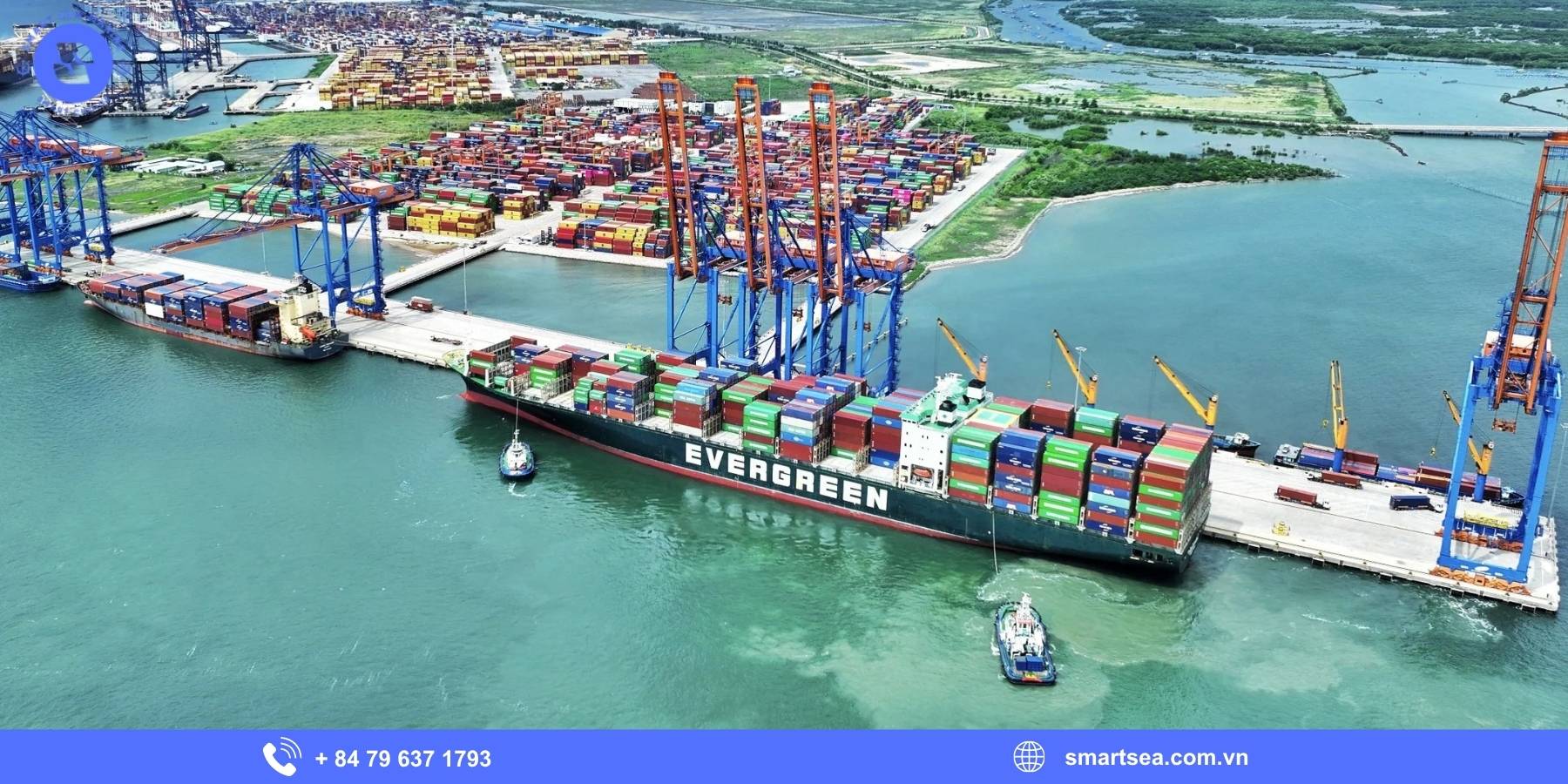
Pre-departure technical inspections play an important role in identifying abnormalities early, assessing equipment performance and addressing damage proactively, choosing the right repair solutions can help minimize vessel downtime and prevent unplanned operational disruptions.
With experience in the maritime sector, SmartSea provides ship repair services, connecting shipowners with suitable technical service providers and repair workshops to address problems arising during vessel operations, our support covers maintenance, equipment inspections and troubleshooting while vessels are in port.
Contact SmartSea today for advice on suitable repair solutions, helping you manage schedules proactively and return your vessel to operation as soon as possible.
CONTACT INFORMATION
SMART SEA MARINE COMPANY LIMITED
Address: 4th Floor, Q7 Boulevard Building, 600 Nguyen Luong Bang Street, Tan My Ward, Ho Chi Minh City, Vietnam
Email: ops@smartsea.com.vn
Hotline: +84 79 637 1793


