


How to Prevent Machinery Failures During Long Voyages
Machinery failures during long voyages can affect a vessel's operational capability, operating schedule and safety, particularly when the vessel operates continuously; in this article, SmartSea shares inspection and maintenance measures to help shipowners proactively prevent damage.
1. Why Is It Important to Proactively Prevent Machinery Failures During Long Voyages?
When a vessel operates continuously over an extended period, its machinery systems are subjected to prolonged operating loads while also being exposed to a marine environment with high humidity, temperature fluctuations and corrosive conditions, increasing the risk of wear or damage if inspection and maintenance are not carried out appropriately.
1.1 Continuous Operation Increases Equipment Wear
The main engine, generators, pumps and auxiliary equipment must operate for extended periods to maintain vessel operations, causing mechanical components, bearings, transmission parts and sealing systems to be subjected to continuous stress, which can lead to wear or reduced performance.
1.2 Marine Environmental Conditions Affect Machinery Durability
High humidity, salt spray and temperature fluctuations in the marine environment can accelerate corrosion in metal components, pipelines, electrical connectors and outdoor equipment, while vibrations generated during operation can also loosen connections or affect the stability of certain components.
1.3 Limited Access to Repair Services When Vessels Are Far from Port
When vessels travel along long routes or operate in offshore areas, accessing technicians, repair workshops and replacement spare parts often takes more time, meaning that minor damage, if not detected early, can develop into a serious problem and affect the vessel's operating schedule.
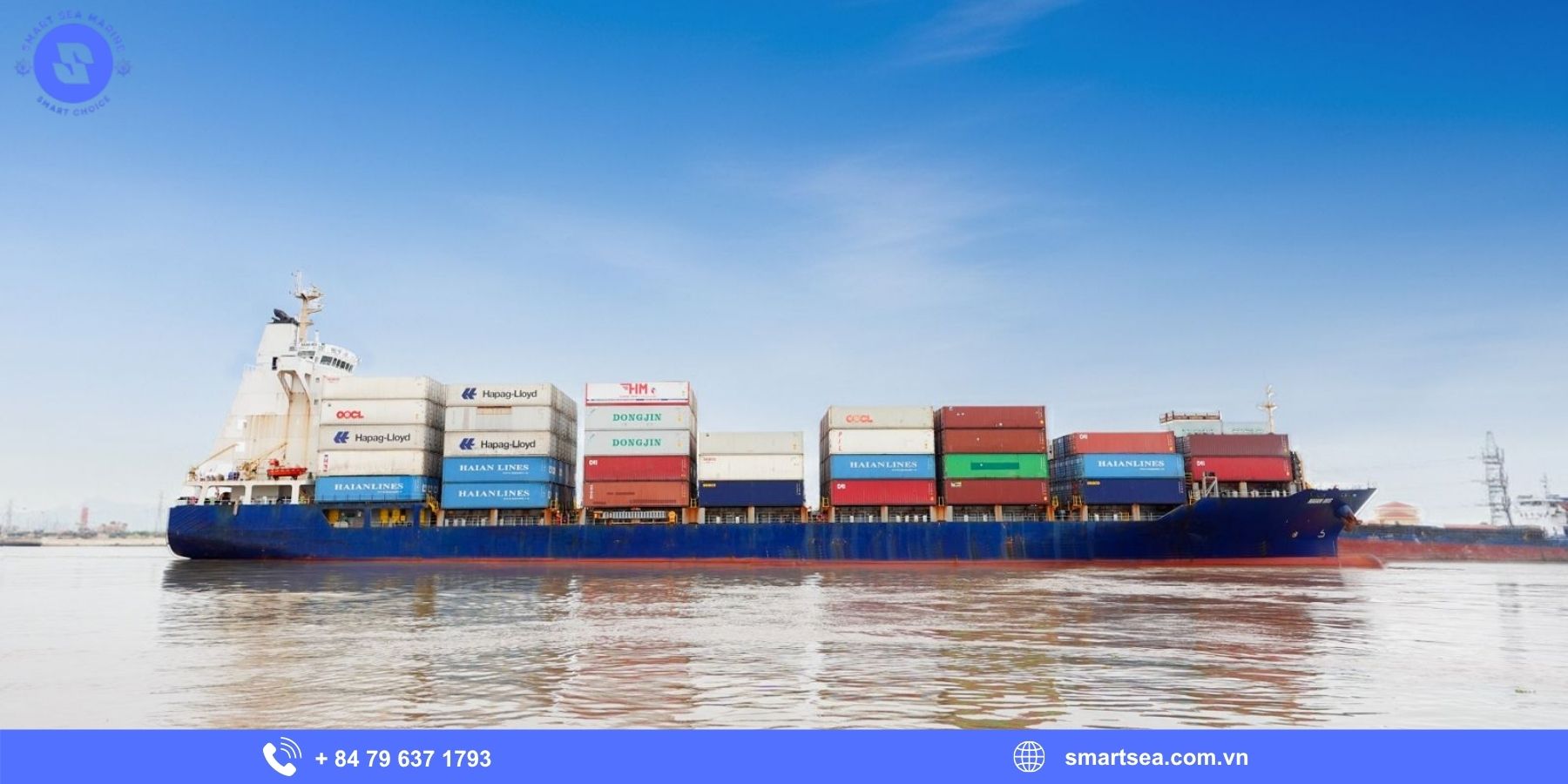
2. What Should Be Inspected Before a Vessel Begins a Long Voyage?
Pre-voyage inspections should focus on equipment that directly affects the vessel's operational capability, while prioritising components that have previously shown signs of abnormality or are approaching their scheduled maintenance dates to reduce the risk of problems arising while the vessel is at sea.
-
Main Engine and Transmission System: Check operating conditions, including any abnormal signs related to temperature, vibration, noise and the performance of associated components.
-
Generators and Electrical Systems: Assess starting capability, power supply and the condition of essential electrical equipment to minimise the risk of power loss during the voyage.
-
Cooling and Lubrication Systems: Check oil levels, signs of leakage, filters and the ability to maintain suitable operating conditions for machinery.
-
Pumps and Pipelines: Inspect areas that may be prone to leakage, blockages, pressure drops or unstable operation.
-
Deck Equipment and Hydraulic Systems: Check operational capability, hydraulic oil condition, cables, braking mechanisms and load-bearing components.
-
Necessary Spare Parts and Materials: Identify spare parts suitable for the equipment and the importance of each system to ensure preparations are in place for handling potential damage.
Pre-voyage inspections help detect abnormal signs early while identifying items requiring maintenance or the preparation of appropriate corrective measures, thereby reducing the risk of machinery failures during extended periods of vessel operation.
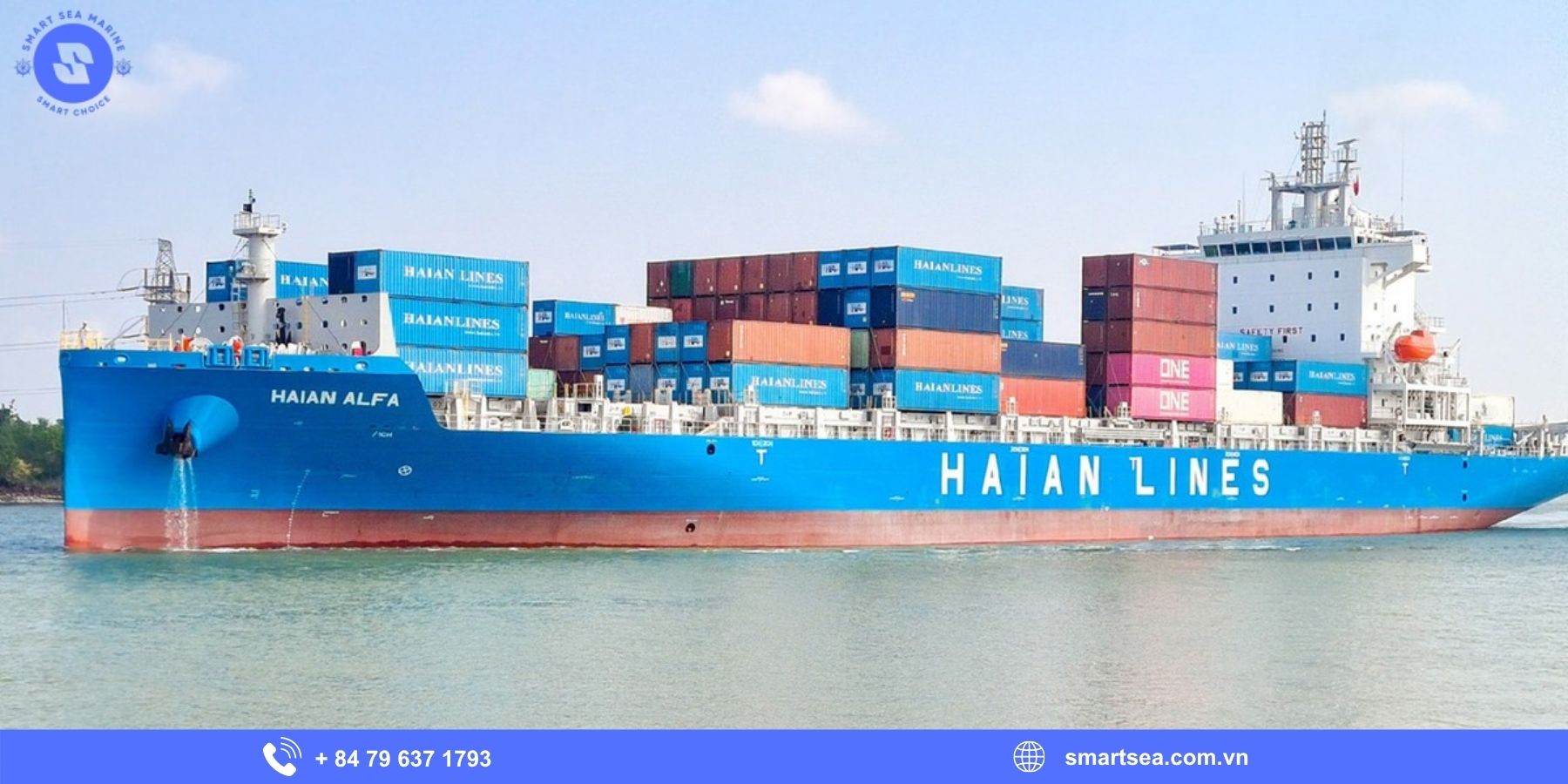
3. How Can Abnormal Signs Be Detected Early During a Voyage?
Monitoring machinery conditions throughout the voyage helps crew members identify changes in equipment before serious failures occur, with comparing operating parameters against the machinery's normal operating conditions playing an important role in detecting abnormalities.
3.1 Monitor Temperature and Pressure
Abnormal changes in temperature or pressure may indicate problems related to cooling, lubrication, fluid flow or equipment performance, therefore, any fluctuations that differ from normal operating conditions should be investigated rather than simply allowing the equipment to continue running.
3.2 Pay Attention to Noise and Vibration
Increased noise or vibration may occur when certain components become worn, unbalanced or loose, or when a system operates unstably, making these practical signs that should be recorded and assessed at an early stage.
3.3 Check for Leaks and Changes in Performance
Leaks involving oil, fuel, water or other fluids, together with weak machinery performance, increased consumption or delayed response, may indicate equipment problems, particularly when these signs occur simultaneously or become progressively more pronounced over time.
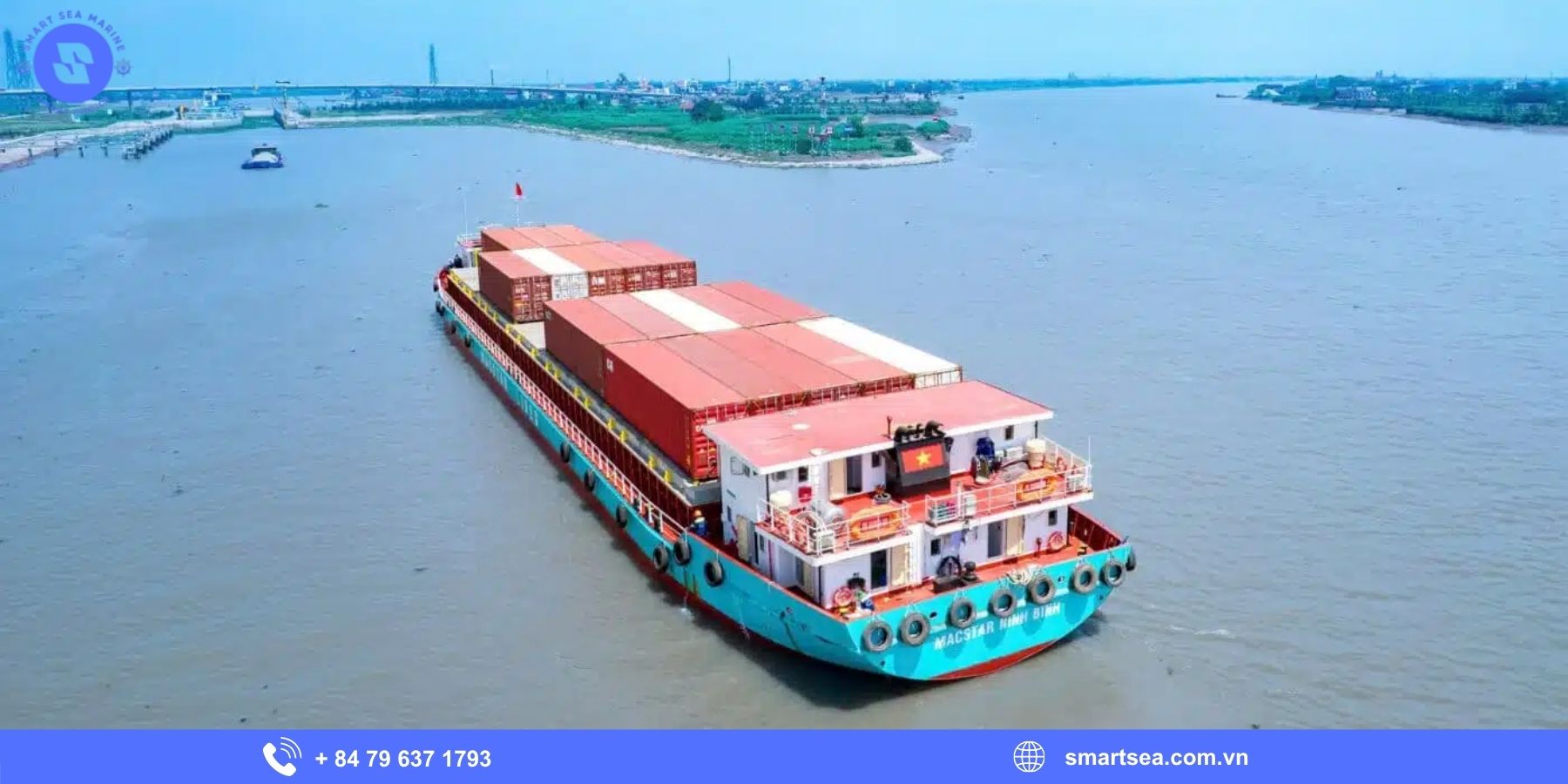
4. How Should Machinery Be Maintained to Reduce the Risk of Failures?
Effective maintenance is not limited to repairing equipment after it has broken down but should be carried out proactively based on machinery condition, operating history and technical guidelines, helping detect wear early and address problems before they affect the voyage.
4.1 Establish a Periodic Inspection Schedule
The inspection schedule should cover essential machinery and systems, while also being adjusted according to equipment condition and actual operating conditions so that components showing signs of deterioration can be inspected earlier rather than waiting until the next scheduled maintenance period.
4.2 Address Abnormalities Immediately After Detection
When equipment shows signs of abnormality, crew members should record its condition, assess the extent of the impact and implement appropriate measures in accordance with technical procedures, avoiding continued operation under conditions that could cause the damage to spread.
4.3 Prepare Necessary Spare Parts in Advance
Preparing suitable spare parts for essential equipment helps shorten the time required to address failures, particularly during long voyages when the vessel may have limited access to repair workshops or supply sources at ports.
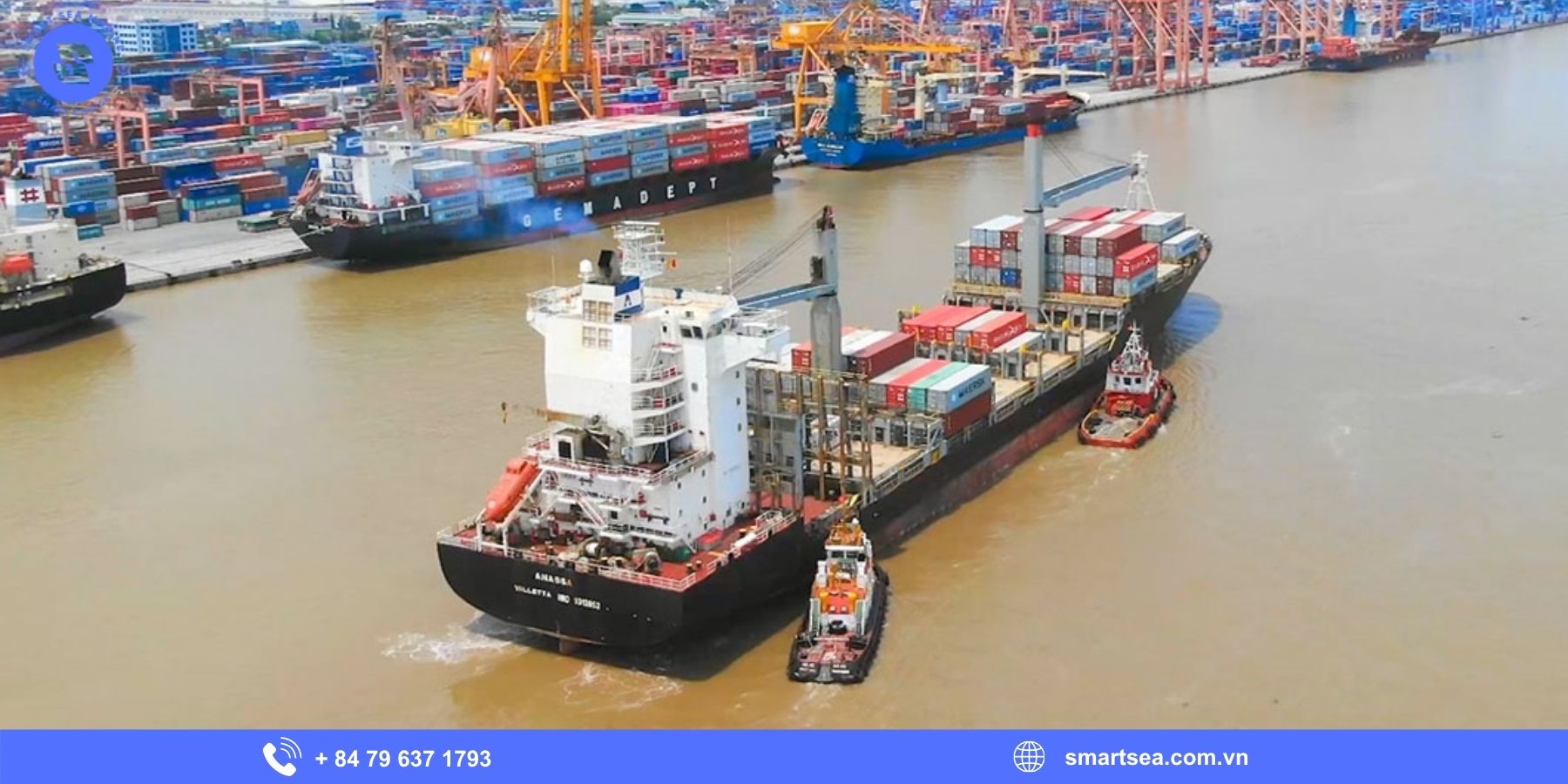
5. When Should Machinery Be Repaired Before Continuing a Voyage?
Not all abnormalities are equally serious, but when signs of problems involving the engine, transmission system, electrical system, cooling system, lubrication system or essential equipment tend to worsen, assessment and repair before continuing the voyage can help minimise operational risks.
If damage requiring technical intervention is detected, shipowners should assess the scope of work, the impact on vessel operations and the time available for repairs to select an appropriate solution; when inspection, troubleshooting or maintenance of machinery- and engine-related systems is required, shipowners can refer to SmartSea's marine machinery and engine repair services.
For more extensive damage involving multiple systems or requiring repair work to be carried out directly at port or in anchorage areas, coordinating with a service provider capable of managing suitable repair work can help shipowners maintain better control over schedules and operational plans.
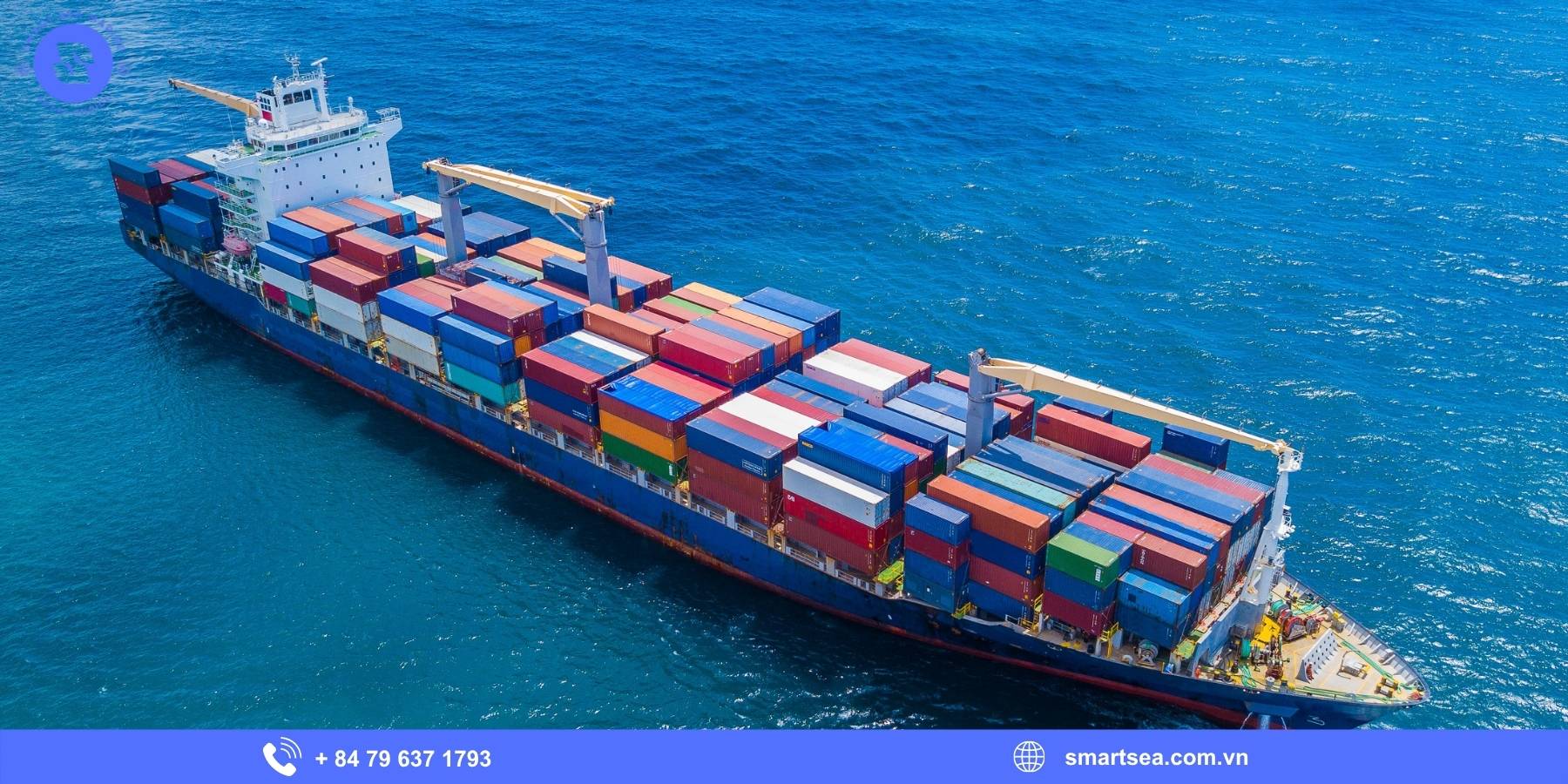
6. SmartSea - A Professional and Reliable Ship Repair Service Provider
To prevent machinery failures during long voyages, it is important to prioritise regular inspections, scheduled maintenance and timely repairs of any damage that arises, while also choosing a technically qualified repair service provider to address issues beyond the capabilities of the onboard crew.
SmartSea operates in the marine technical services sector, providing ship repair services, marine machinery and engine repair services, and supporting customers with equipment inspections, technical troubleshooting and the maintenance of equipment operating conditions.
Reasons to choose us:
-
Marine Industry Expertise: Focuses on technical services, ship repair, marine machinery and engine repair.
-
Support Based on Actual Conditions: Receives information, assesses technical issues and advises on solutions suited to customers' requirements.
-
A Wide Range of Repair Services: Supports various repair requirements involving machinery, engines and other technical systems on board vessels.
-
Problem-Solving Approach: Focuses on identifying causes, assessing the extent of damage and determining corrective measures to help maintain equipment operations.
-
Supporting Customers Throughout the Process: Provides technical support and consultation during repairs, helping customers take a more proactive approach to vessel maintenance and operations.
If you are looking for a professional ship repair service provider, please contact SmartSea today for advice on solutions suited to your equipment condition and actual operational requirements, we are ready to support you in addressing technical failures and maintaining vessel operations.
CONTACT INFORMATION
SMART SEA MARINE COMPANY LIMITED
Address: 4th Floor, Q7 Boulevard Building, 600 Nguyen Luong Bang Street, Tan My Ward, Ho Chi Minh City, Vietnam
Email: ops@smartsea.com.vn
Hotline: +84 79 637 1793


