


Common Technical Issues On Ships During Operation
Common technical problems on ships during operations can directly affect operating performance and maritime safety; in this article, SmartSea helps you identify common technical issues and explore practical solutions to maintain efficient vessel operations.
1. Common Technical Problems on Ships
During vessel operations, ships may experience various technical problems involving engines, electrical systems, pumps, piping and auxiliary equipment, recognizing common equipment failures helps shipowners and crew members arrange inspections, address issues promptly and minimize their impact on vessel operations.
1.1 Main Engine and Propulsion System Problems
The main engine and propulsion system generate the thrust required for vessel movement, directly determining a ship's maneuverability and operating performance, common technical problems include:
-
Difficulty starting, reduced power output or unstable engine operation.
-
Engine overheating, excessive vibration and abnormal noise.
-
Damage to gearboxes, propeller shafts and other transmission components.
1.2 Generator and Electrical Power System Problems
The generator system supplies power to operating equipment, lighting, communication systems and many other essential onboard systems, electrical failures can interrupt power supply, affecting vessel operations and maritime safety, with common issues including:
-
Generators failing to start or losing their ability to supply electricity.
-
Unstable voltage and frequency.
-
Short circuits, electrical overloads and damage to onboard electrical equipment.
1.3 Pump and Piping System Problems
Pumps and piping systems transport water, oil, fuel and other fluids required for vessel operations, after extended periods of service, these components may develop leaks, blockages or reduced performance, with common signs including:
-
Leakage from water, oil and fuel pipelines.
-
Weak pump performance, pressure loss or pump failure.
-
Blocked pipelines and damaged control valves.
1.4 Cooling and Lubrication System Problems
Cooling and lubrication systems maintain appropriate operating temperatures, reduce friction and minimize wear on moving engine components, when these systems fail to operate effectively, equipment may overheat, experience increased friction or suffer serious damage due to issues such as:
-
High engine temperatures caused by inefficient cooling system operation.
-
Lubricating oil leaks or insufficient oil levels.
-
Low oil pressure and clogged filters.
1.5 Steering and Navigation System Problems
Steering and navigation systems help the captain and crew control vessel direction, determine position and maintain the planned route, malfunctions in these systems can reduce vessel maneuverability, creating particular risks when navigating through narrow waterways or adverse weather conditions, including:
-
Slow steering response or loss of steering control.
-
Hydraulic pump, cylinder and steering gear malfunctions.
-
Faults in positioning equipment, radar and navigation support systems.
1.6 Deck Equipment and Hydraulic System Problems
Deck equipment such as anchor winches, towing winches and lifting machinery frequently operates under heavy loads while being directly exposed to seawater, making it susceptible to wear, corrosion and damage, these problems can affect anchoring, towing, lifting and cargo-handling operations onboard, including:
-
Unstable operation of anchor winches, towing winches and lifting equipment.
-
Hydraulic oil leakage or reduced system pressure.
-
Damage to cables, braking mechanisms and transmission components.
1.7 Hull Structure and Auxiliary Equipment Problems
The hull structure and auxiliary equipment help maintain watertight integrity, structural strength and safe operating conditions throughout a voyage, prolonged exposure to seawater, loading conditions and environmental factors can cause certain areas to deteriorate, resulting in problems such as:
-
Corrosion, cracks or deformation of the ship's hull structure.
-
Water leakage at joints, valves and vessel compartments.
-
Damage to watertight doors, ventilation equipment and auxiliary systems.
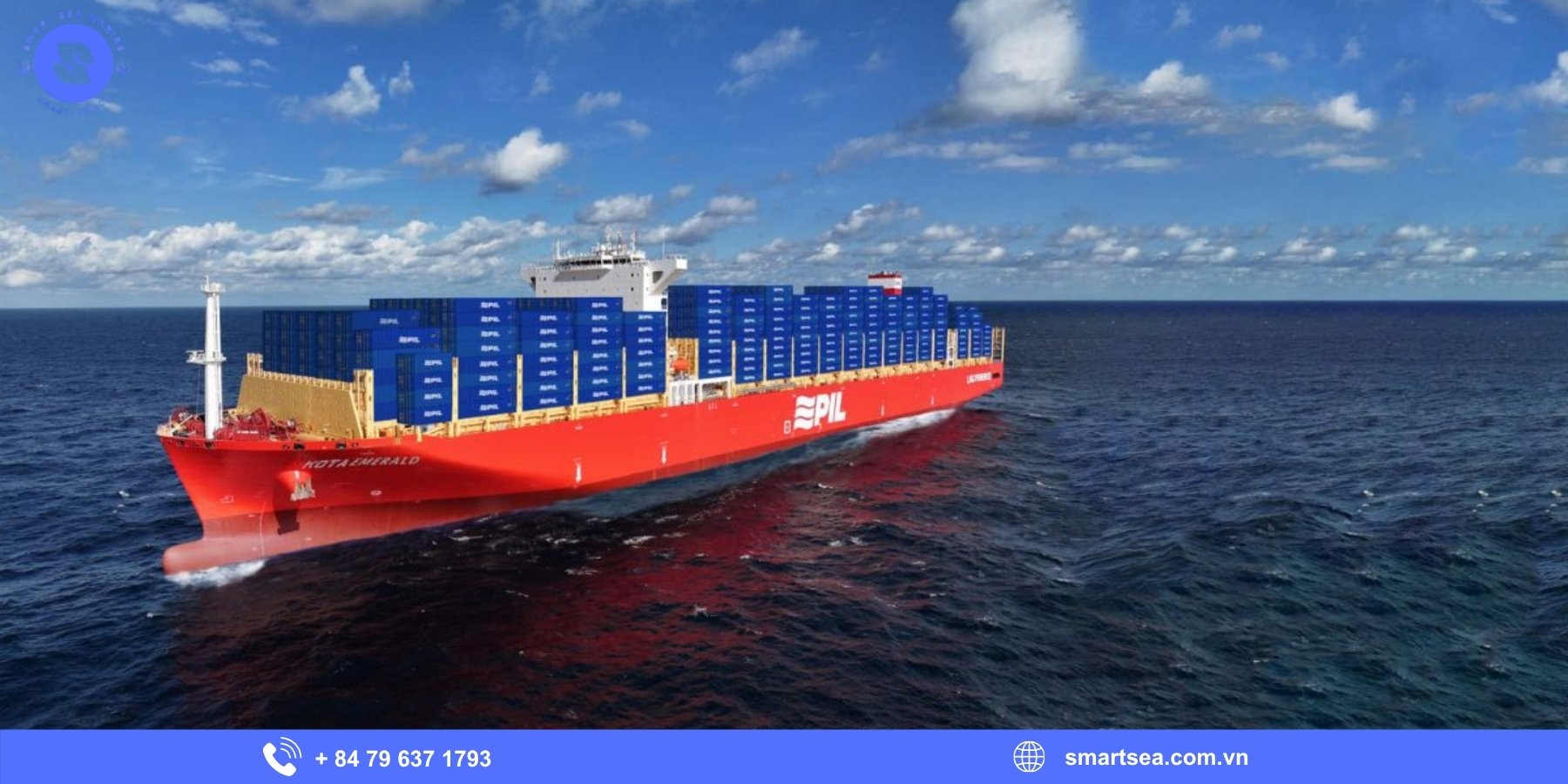
2. Causes of Technical Problems on Ships
During operations, onboard machinery and equipment must work continuously while being exposed to various environmental and operating conditions, the following factors are common causes of equipment damage and technical failures:
-
Equipment wear after prolonged operation: Continuous machinery operation causes mechanical components to deteriorate, reducing performance and increasing the risk of failure.
-
Inadequate periodic inspection and maintenance: Insufficient inspections and maintenance can allow abnormal signs to go unnoticed and unresolved.
-
Improper equipment operation: Incorrect operating procedures or overloading equipment can cause overheating, damage and reduced machinery service life.
-
Harsh weather and marine environmental conditions: Seawater, salt spray, humidity and rough waves accelerate corrosion and affect onboard structures and equipment.
-
Poor-quality fuel, lubricants and materials: Contaminated fuel, unsuitable lubricating oil or low-quality spare parts can reduce performance and damage equipment systems.
Technical problems on ships often result from both human factors during operation and external influences from the marine environment, identifying the underlying causes helps shipowners and crew members develop appropriate ship maintenance plans, monitor equipment conditions and minimize the risk of further damage.
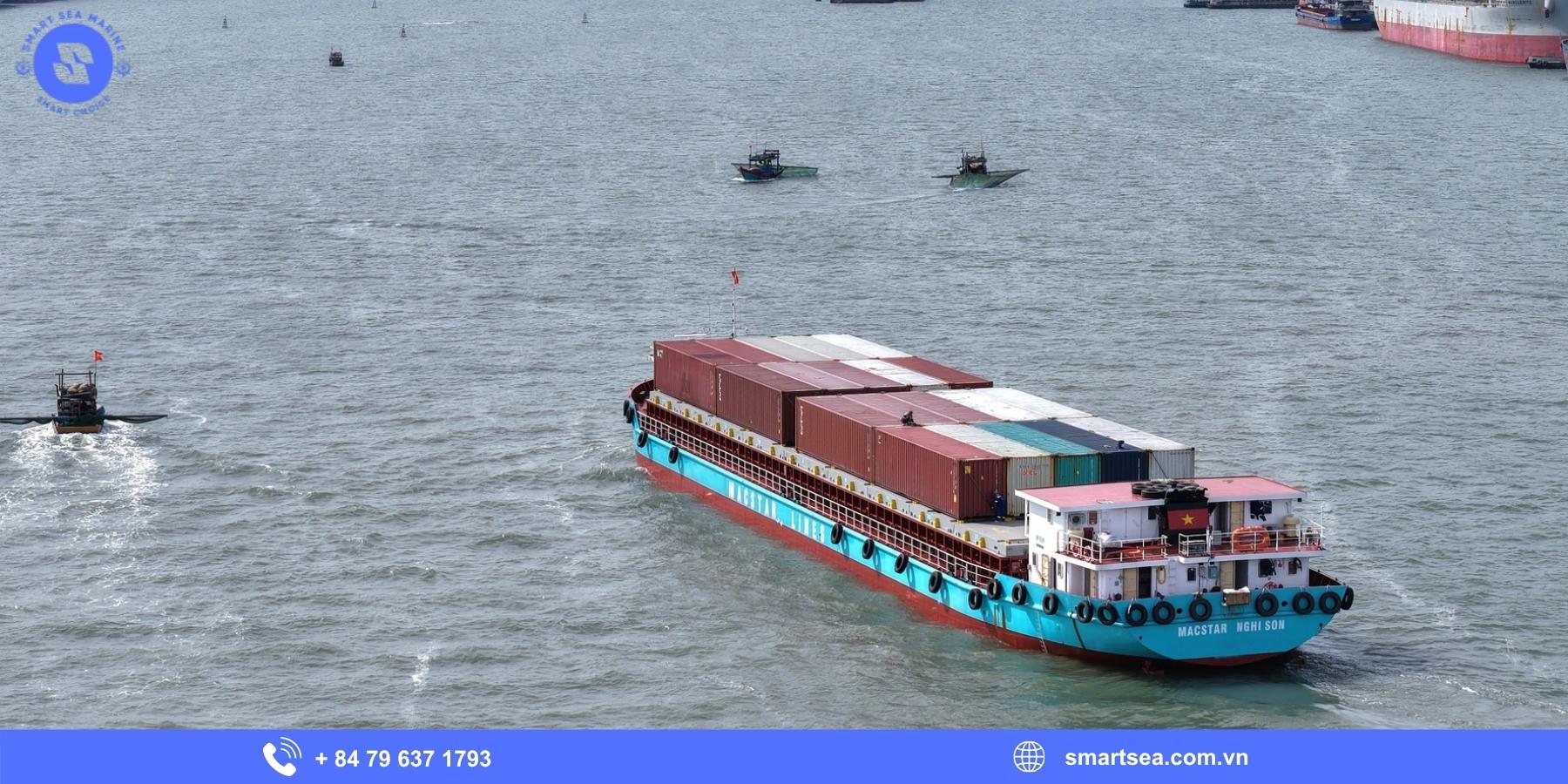
3. Effects of Technical Problems on Vessel Operations
Technical problems that are not addressed promptly can disrupt vessel operations, increase operating costs and create various maritime safety risks, these consequences affect not only economic performance but also the safety of people, cargo and the marine environment, as outlined below.
3.1 Disrupt Voyages and Delay Transportation Schedules
Problems involving the main engine, electrical systems or navigation equipment may force vessels to reduce speed, suspend operations or change their schedules, this can delay cargo deliveries, disrupt transportation plans and affect the operations of other parties involved.
3.2 Increase Repair and Maintenance Costs
Damage that is not addressed early may spread to other components, making repairs more complicated and expensive, in addition to replacement part costs, shipowners may also incur additional expenses for labor, materials, berthing and vessel downtime.
3.3 Affect Crew and Cargo Safety
Failures involving engines, steering systems, electrical equipment or deck machinery can increase the risk of losing control and causing accidents during vessel operations, furthermore problems such as water leakage, cargo preservation equipment failures or power loss may affect the quality and condition of cargo onboard.
3.4 Reduce Operating Efficiency and Equipment Service Life
Equipment operating under abnormal conditions often consumes more energy, delivers reduced output and fails to maintain its designed performance, if these conditions persist, related components may deteriorate more quickly, shortening machinery service life and increasing repair frequency.
3.5 Create Risks of Marine Environmental Pollution
Fuel, lubricating oil or chemical leaks from piping systems and storage tanks can pollute seawater, in addition, failures in wastewater treatment systems or waste control equipment may increase the risk of non-compliant discharges, negatively affecting marine ecosystems.
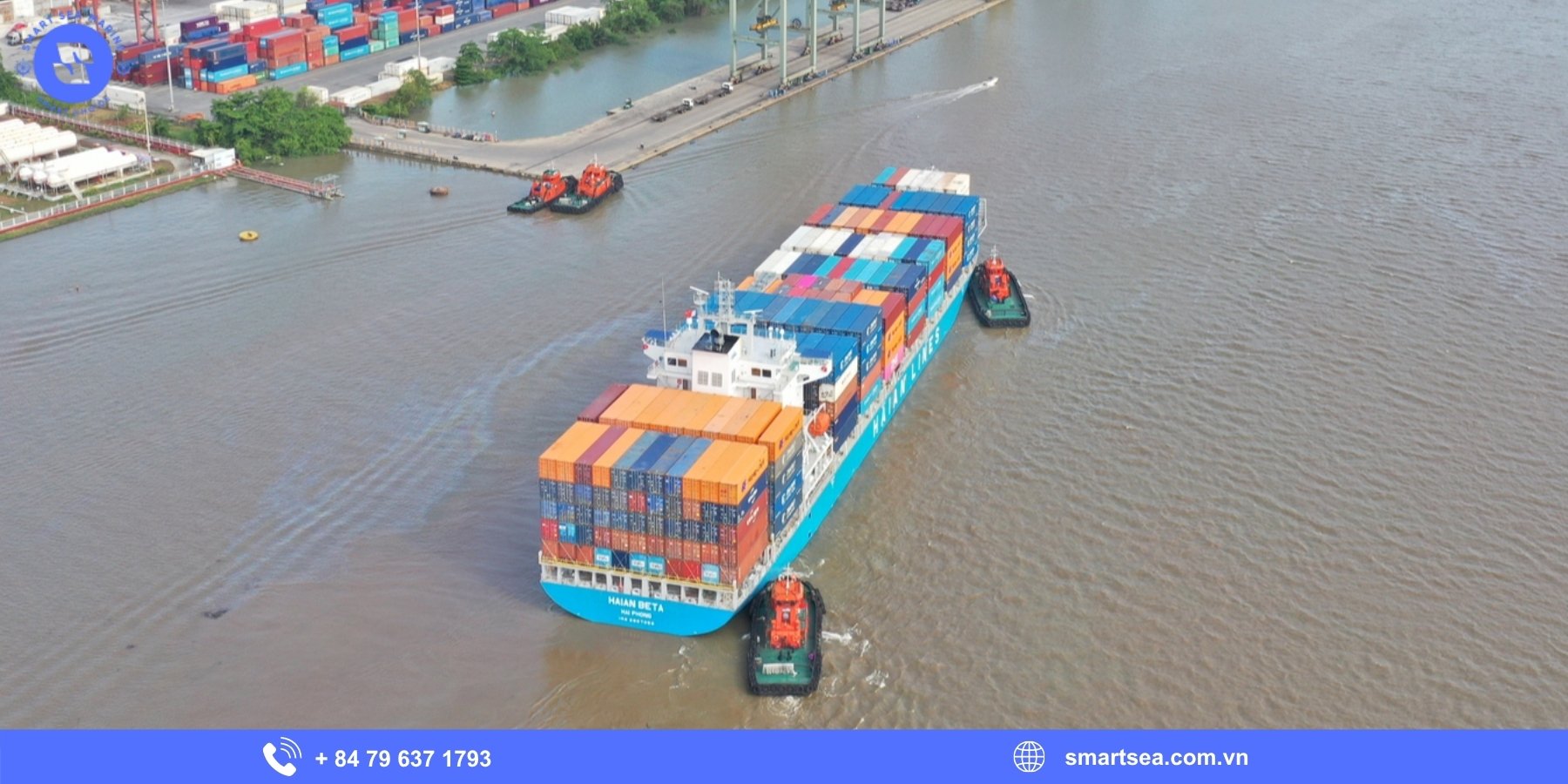
4. Solutions to Prevent and Resolve Technical Problems on Ships
Proper prevention and troubleshooting help maintain vessel operating performance, minimize equipment damage and ensure safety during operations, to reduce risks and additional expenses, shipowners should prioritize appropriate inspection, maintenance and technical repair measures.
4.1 Schedule Machinery Inspection and Maintenance
Establishing periodic inspection and maintenance schedules helps detect early signs of wear, leakage or damage in onboard machinery systems, equipment such as engines, generators, pumps, piping systems and deck machinery should be inspected according to technical guidelines and actual operating conditions.
4.2 Monitor Operating Parameters and Detect Abnormal Signs
Crew members should regularly monitor equipment parameters such as temperature, pressure, vibration, rotational speed and fuel consumption, when unusual noise, rising temperatures or readings beyond permitted limits are detected, the causes should be investigated and appropriate corrective measures taken before the problem becomes more serious.
4.3 Prepare Essential Materials and Spare Parts
Keeping sufficient materials and spare parts onboard helps reduce troubleshooting time when equipment failures occur during a voyage, shipowners should consider equipment specifications, operational importance and usage frequency when selecting essential components such as filters, gaskets, bearings, belts and engine spare parts.
4.4 Train Crew Members in Operating Procedures and Troubleshooting
Crew members should receive proper instructions on operating, inspecting and using equipment according to technical procedures, organizing emergency response training also improves coordination, risk recognition and the ability to respond promptly when technical incidents occur onboard.
4.5 Work with Professional Ship Repair Service Providers
For complex damage involving engines, electrical systems, hydraulics or deck equipment, shipowners should work with professional repair providers for inspection and troubleshooting, using appropriate technical services helps identify the causes of failures, select suitable repair solutions and minimize the risk of recurring problems during vessel operations.
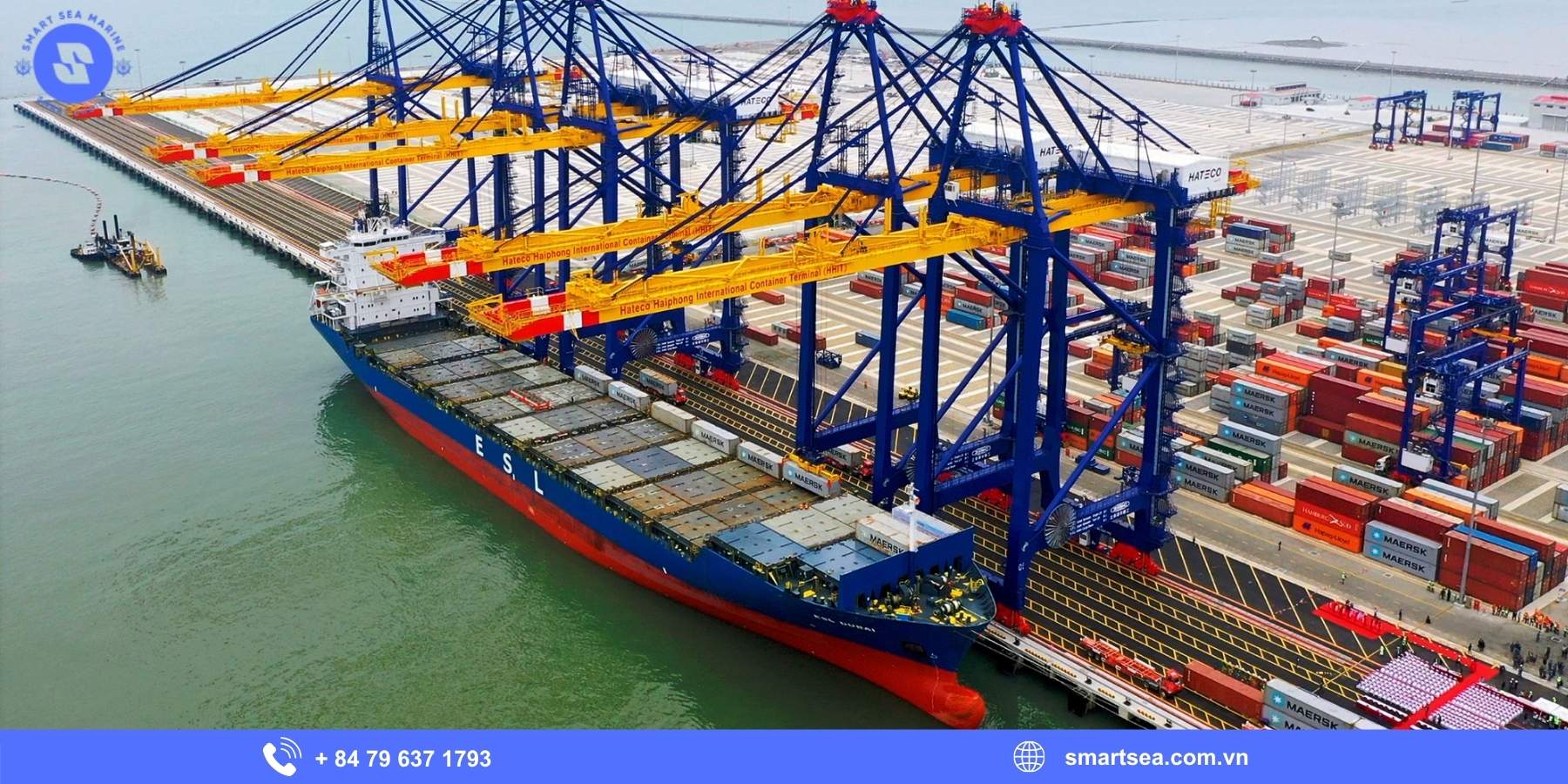
5. SmartSea - A Professional and Experienced Ship Repair Service Provider
During vessel operations, choosing a technically qualified ship repair company helps shipowners address technical problems promptly and maintain the operating condition of machinery and equipment, SmartSea provides ship repair and maintenance services, supporting inspections and troubleshooting for engines, marine equipment, machinery systems and various technical components onboard vessels.
Why Choose SmartSea?
-
Technically Qualified Team: Our technicians understand marine machinery, equipment and technical systems, supporting inspections and appropriate troubleshooting solutions.
-
Suitable Repair Solutions: We assess equipment conditions and recommend repair methods based on the extent of damage and operational requirements.
-
Diverse Services: We provide repair and maintenance solutions for engines, deck equipment, electrical systems, hydraulic systems and other onboard technical components.
-
Focus on Technical Safety: We pay attention to work procedures and relevant safety requirements throughout repair and maintenance activities.
-
Support Throughout Vessel Operations: We provide maintenance and troubleshooting advice to help minimize operational disruptions and maintain vessel performance.
If you are looking for a professional and experienced ship repair service provider, contact SmartSea today for advice on suitable repair and maintenance solutions, we aim to help resolve technical problems, maintain equipment performance and support safe, stable vessel operations.
CONTACT INFORMATION
SMART SEA MARINE COMPANY LIMITED
Address: 4th Floor, Q7 Boulevard Building, 600 Nguyen Luong Bang Street, Tan My Ward, Ho Chi Minh City, Vietnam
Email: ops@smartsea.com.vn
Hotline: +84 79 637 1793


