


Common Reasons Why Vessels Experience Extended Port Stay Periods
Extended port stays can disrupt operating schedules, increase port and anchorage costs and affect vessel transportation plans, so what are the main reasons behind this situation? SmartSea examines common scenarios and appropriate solutions in the following article.
1. Technical Failures and Equipment Damage on Board
Problems involving machinery systems, marine equipment or vessel structures can require adjustments to the departure schedule, particularly when a failure affects safe operating capability and requires inspection and repairs before the next voyage.
1.1 Main Engine and Propulsion System Failures
Main engine malfunctions, unstable fuel system operation or faults in transmission equipment can directly affect a vessel's ability to navigate, requiring the master and technical department to carry out inspections and repairs before the voyage can continue.
1.2 Electrical System and Marine Equipment Failures
Abnormalities involving generators, control systems, communication equipment or navigational aids can disrupt onboard operations, while defects affecting operational safety must be assessed and rectified before the vessel is permitted to depart.
1.3 Defects Identified During Inspection and Maintenance
During a vessel's stay at anchorage, routine inspections or maintenance work may reveal additional deteriorated components, leaks or equipment operating outside required specifications, expanding the scope of work and extending the estimated completion time.
For cases requiring equipment repairs at an anchorage or alongside a berth, shipowners can consider the Ship Repair at Port / At Anchor service to explore suitable repair arrangements based on the vessel's actual condition.

2. Cargo Loading and Unloading Activities Not Completed as Scheduled
Cargo handling schedules depend on coordination between the vessel, port, stevedoring companies and other relevant parties, therefore, any disruption in one stage or additional handling requirements can cause a vessel to remain in port beyond its expected departure time.
2.1 Cargo Handling Progress Slower Than Planned
Low cargo handling equipment productivity, labour shortages, insufficient supporting resources or actual cargo volumes exceeding initial estimates can extend the time required to complete operations, preventing the vessel from finishing cargo handling and departure procedures according to the original schedule.
2.2 Cargo Issues Requiring Additional Inspection
When damaged cargo, quantity discrepancies, inadequate packaging or inconsistencies with shipping documents are identified, the parties involved may need to temporarily suspend part of the operation to conduct inspections, prepare records and agree on appropriate corrective measures before cargo handling resumes.
2.3 Shortages of Transport Equipment and Cargo Receiving Facilities
The unavailability of road transport vehicles, barges, warehouse space or specialised equipment can disrupt cargo movements between the vessel and shore, particularly for voyages that depend on the timely receipt or delivery of cargo at the port.
3. Port Congestion and Changes to Port Operating Schedules
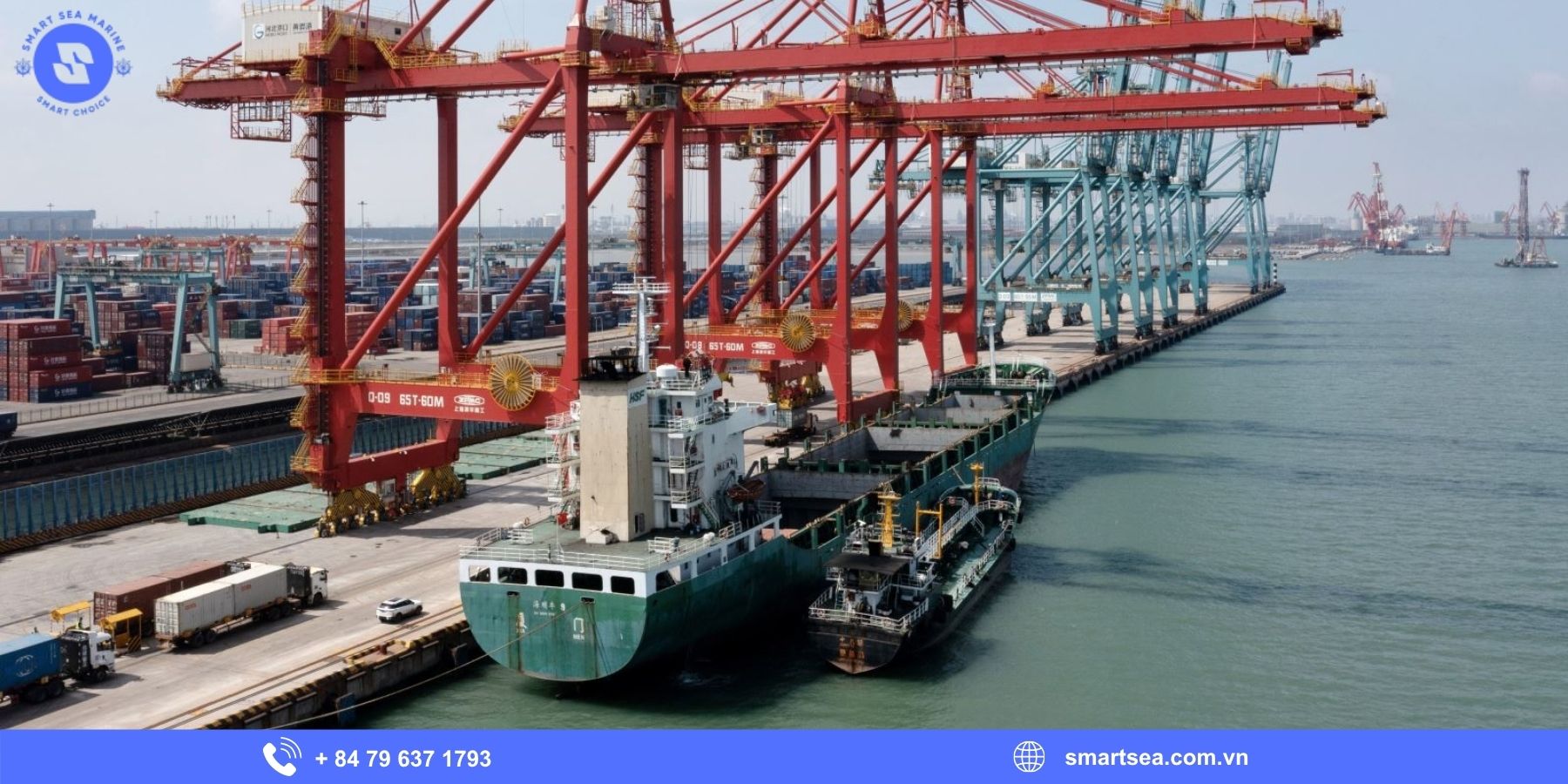
Even when a vessel has completed its preparations and is ready for operations, its port stay may still be extended because berths, navigational channels or supporting services are not available according to the expected schedule, requiring the vessel to wait for coordination or adjust its operating time.
3.1 Berths Not Ready to Receive Vessels
Berths occupied by other vessels, changes to port operating schedules or incomplete preparations for vessel reception can force a vessel to wait for an available berthing position, subsequently affecting pilotage, tug assistance and other related maritime services.
3.2 Unavailability of Pilotage and Tugboat Services
When pilots or tugboats cannot be arranged at the required time due to scheduling, service capacity or unexpected operational issues, vessels may have to wait for assistance to carry out safe manoeuvring operations, even when other tasks have already been completed.
3.3 Disruptions to Port Operations
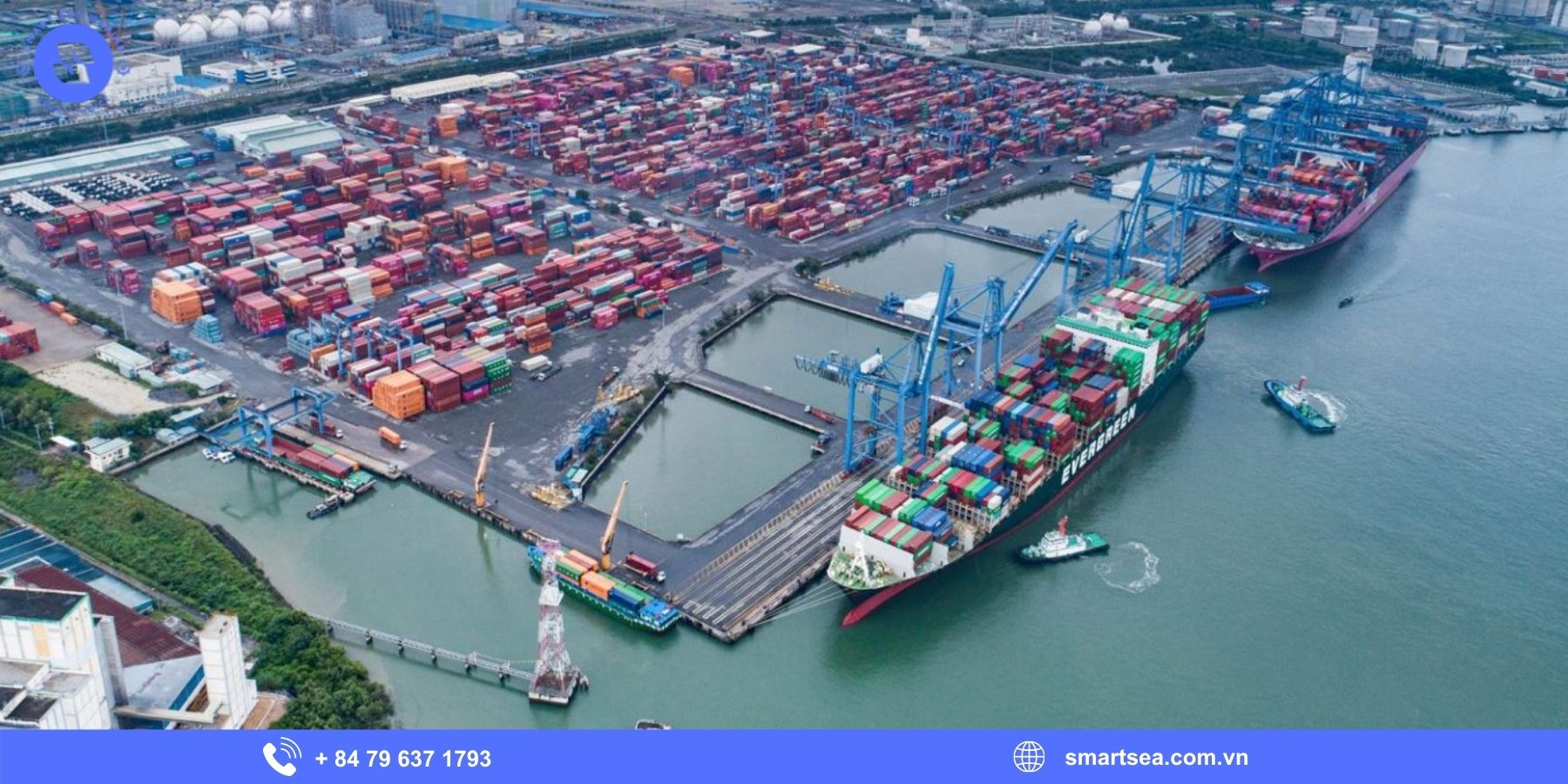
Cargo handling equipment failures, power outages, adjustments to operating arrangements or shortages of supporting resources can temporarily suspend certain port activities, affecting the schedules of multiple vessels and making the original operating plan no longer feasible.
4. Weather Conditions, Inspections and Additional Procedural Requirements
In addition to issues directly related to vessels and port operations, external factors and maritime regulatory requirements can also affect departure schedules, particularly when vessels must wait for safe operating conditions or complete mandatory obligations before proceeding with their voyages.
4.1 Unfavourable Weather and Navigational Channel Conditions
Storms, strong winds, fog, restricted visibility or unsuitable water levels and tidal conditions can affect vessel manoeuvring, berthing and departure, requiring vessels to wait until operating conditions meet the applicable safety requirements.
4.2 Deficiencies Identified During Inspections by Competent Authorities
During inspections by competent authorities, vessels may be required to submit additional documents, rectify deficiencies or undergo more detailed examinations if issues are identified concerning technical conditions, safety equipment or operational capability, resulting in additional port stay time.
4.3 Incomplete Vessel Documentation and Clearance Procedures
Inaccurate declarations, incomplete documents or unfinished procedures relating to the vessel, crew and cargo can delay verification, customs clearance or permit issuance, affecting the time at which the vessel is authorised to depart.
4.4 Delays in Bunkering and Supply Arrangements
When arrangements for bunkering, fresh water, provisions, spare parts or essential supplies are not completed on schedule, vessels may need to adjust their departure times, particularly when these requirements must be fulfilled before the next voyage under the operating plan.
5. How to Minimise Extended Vessel Port Stay Periods
To reduce the risk of unplanned port stay extensions, shipowners and vessel management companies should proactively identify tasks that may cause delays while coordinating with ship agents, ports and service providers to address issues as soon as they arise.
The following activities should be prioritised:
-
Inspect the vessel's technical condition before arriving at port: Check the main engine, auxiliary engines, electrical systems and safety equipment to identify potential defects that could affect the next voyage.
-
Prepare documents and shipping records: Verify vessel, crew, cargo and related documentation before commencing clearance procedures to minimise repeated submissions or corrections.
-
Monitor port operating schedules: Keep track of berth availability, cargo handling progress, pilotage schedules, tugboat arrangements and supporting services to make timely adjustments.
-
Arrange supplies and repairs in advance: Identify requirements for fuel, materials, spare parts and maintenance work beforehand, allowing service providers sufficient time to prepare.
-
Coordinate responses to incidents as soon as they occur: Maintain communication between the master, shipowner, ship agent and technical service provider to identify the cause, scope of work and estimated completion time.
In particular, if a vessel develops defects requiring repairs during its port stay, early assessment of the severity of the issue and preparation of suitable personnel and materials can help minimise unnecessary waiting time, depending on the scope of work and implementation conditions, shipowners can explore Ship Repair Services to select an appropriate corrective solution.

6. SmartSea - Supporting Vessels with Issues Arising During Port Stays
When port stays are extended due to technical failures, maintenance requirements or additional work, promptly identifying the necessary tasks and coordinating with the appropriate service providers can help shipowners manage port call schedules more effectively.
SmartSea provides Ship Repair Services, covering maintenance, servicing and repairs of machinery, engines, marine equipment and onboard systems, while also supporting the coordination of repair requirements based on actual vessel conditions, if your vessel requires assistance during its port stay, please contact us today using the information below to discuss your requirements and receive advice on a suitable solution.
CONTACT INFORMATION
SMART SEA MARINE COMPANY LIMITED
Address: 4th Floor, Q7 Boulevard Building, 600 Nguyen Luong Bang Street, Tan My Ward, Ho Chi Minh City, Vietnam
Email: ops@smartsea.com.vn
Hotline: +84 79 637 1793


